

Discover how GAA Rounders has grown from a childhood playground activity into a competitive adult sport played by hundreds of teams across Ireland each summer. Learn who plays, how competitions are organised and why the game is thriving in communities.
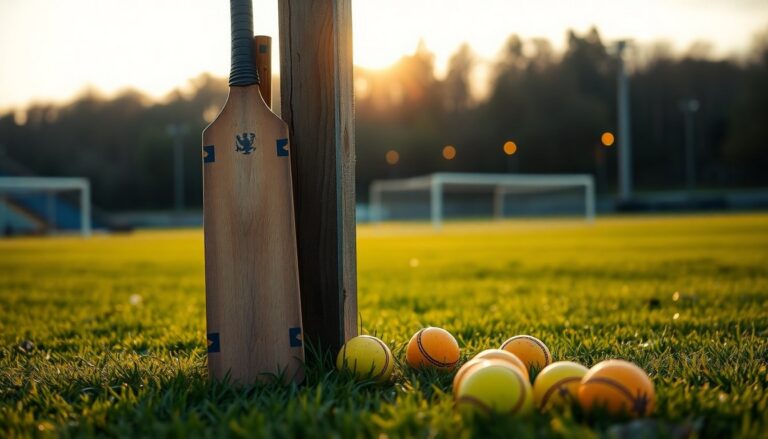
The game commonly remembered from primary school has taken on a new life: GAA Rounders now attracts adult players and organised competitions across Ireland. What used to be a simple playground pastime has expanded into a structured community sport with weekend fixtures, county championships and national finals.
The uptick in participation has surprised many who assumed the sport stayed confined to childhood.
Across rural towns and urban centres, clubs field men’s, women’s and mixed teams, with squads travelling long distances for tournaments. The commitment from volunteers, coaches and local associations has been central to this growth, turning informal games into a calendar of competitive fixtures that energise communities during the summer months.
From schoolyard to county pitch: the modern rise of GAA rounders
The modern revival of GAA Rounders rests on grassroots organisation. Clubs began recruiting adult players, refurbishing pitches and scheduling formal championship structures. What distinguishes this era is how the sport bridged recreational play and serious competition: local fixtures feed into county championships, which in turn lead to national-level contests.
That progression has given players clear goals and reasons to travel and train.
Another driver of the sport’s expansion is accessibility. Compared with higher-cost sports, rounders needs minimal equipment and smaller teams, lowering barriers to entry. This accessibility has made it ideal for multi-generational participation, where parents, former players and newcomers share the field. These social ties help clubs endure beyond a single season.
Who plays and why it matters to communities
Participation cuts across age and gender lines. Clubs now routinely enter men’s, women’s and mixed squads into competitions, creating diverse playing opportunities. For many adults, the attraction is both physical and social: match days supply fitness, teamwork and a dependable social calendar. For smaller communities, a successful rounders team can become a focal point for local pride and weekend gatherings.
Volunteers and club administrators are crucial to sustaining the sport. Organisers arrange fixtures, maintain pitches and coordinate travel logistics so teams can contest county and national championships. Their work transforms individual enthusiasm into a durable system that supports regular competition and development programmes for beginners.
Development pathways and coaching
Clubs increasingly emphasise structured coaching and youth links. By offering training for newcomers and running youth programmes, many clubs create a pipeline of players who transition from underage activities into adult teams. Emphasising fundamentals such as fielding, batting and tactical awareness helps newcomers adapt quickly to adult competition while maintaining the fun that attracted them initially.
Community benefits beyond sport
Beyond the pitch, the sport strengthens local networks. Match days often draw families and neighbours, creating economic and social spillovers for village halls, pubs and local businesses. In this way, GAA Rounders functions as a community-building tool as much as a competitive sport.
Competition structure and what to expect at a match
Events take place primarily during the warmer months, with numerous fixtures each weekend. Typical match days feature several games across different grades and categories, from novice squads to experienced county contenders. Spectators will notice both competitive intensity and a relaxed, social atmosphere: sideline chats are common even during tight contests.
Travelling teams may contest county-level leagues before progressing to provincial and national championships. The journey from local fixtures to national stages is part of the appeal for many players: it rewards commitment and offers the chance to represent one’s club on a larger platform.
What newcomers should bring
New players need only basic kit to start: suitable footwear, comfortable clothing and a willingness to learn. Clubs typically supply balls and larger equipment. Coaching sessions cover the rules of play, the scoring system and positional responsibilities, making it straightforward for novices to integrate into teams quickly.
Final note on visibility and future prospects
Although media coverage remains modest compared with mainstream sports, the steady rise in participation hints at a broader cultural shift: communities are seeking inclusive, low-cost sporting options that combine competition and social connection. If current trends continue, GAA Rounders may become a more visible feature of Ireland’s sporting landscape, drawing new players and strengthening the grassroots structures that sustain it.
For anyone curious about attending a match, contact local GAA clubs to find fixtures near you. Many clubs welcome newcomers and provide introductory sessions that demystify the game and its basic tactics. Whether you’re chasing fitness, social ties or competitive glory, the fast-paced, community-oriented nature of rounders offers something for players and supporters alike.
