

Once dismissed as a childhood playground game, GAA Rounders has matured into a thriving community sport with men’s, women’s and mixed teams travelling nationwide each summer to contest championships.
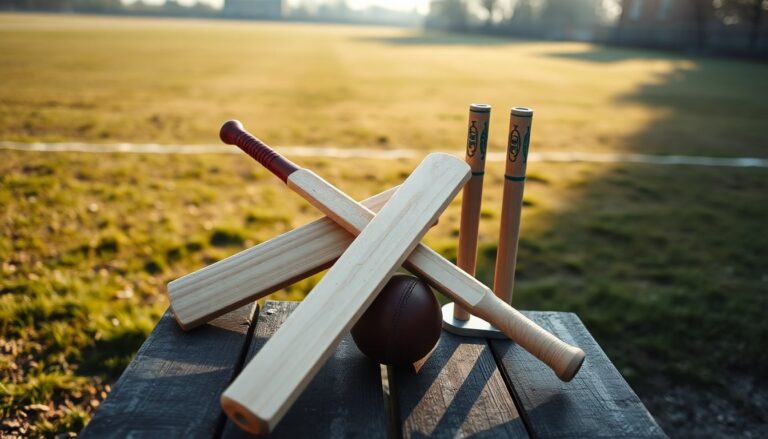
The image of rounders as a primary-school recess activity still lingers in many minds. Yet the contemporary scene is markedly different: across Ireland, organized adult clubs and squads have transformed the pastime into a structured, competitive community sport. Each summer weekend sees roughly one hundred adult teams journey to regional fixtures and national finals, demonstrating a level of commitment and organization that few outside the circle appreciate.
That shift from playground to packed weekend schedules has been powered by volunteers, local clubs and a growing appetite for team sport that is accessible, sociable and competitive. The sport now fields men’s, women’s and mixed competitions, with players of varied ages and backgrounds taking part in leagues, county events and national championships.
What modern GAA Rounders looks like
At its heart, the contemporary game keeps the familiar elements — batting, fielding and running bases — but layers them with formal rules, coaching and competitive structure. Many clubs emphasize fundamentals alongside physical fitness, making the sport appealing both for former players and newcomers seeking a community-focused activity.
The presence of organized leagues means fixtures are scheduled regularly, so teams travel all over the island for matches and finals.
The growth has also brought improvements in training and equipment. Clubs now invest in coaching, safety gear and playing facilities so that the sport can be enjoyed year after year. This professionalization does not erase the social fabric: post-match gatherings and club nights remain central to the experience, ensuring that competition and camaraderie coexist.
Community impact and inclusivity
One defining feature of contemporary GAA rounders is its role as a community hub. The sport is accessible to a wide demographic, offering an alternative for people who want to remain active without the travel or intensity associated with some other team sports. For many localities, rounders clubs provide social structure: training sessions, match days and volunteering opportunities create bonds and local pride.
Moreover, the sport’s format supports inclusivity. The existence of mixed teams alongside single-gender competitions encourages broad participation and enables families and friends to play together. For recreational participants, the game can be adapted to different fitness levels while still offering spirited competition at higher levels.
Volunteerism and grassroots organization
Volunteer coaches, administrators and parents form the backbone of club operations. Without their work in arranging fixtures, maintaining pitches and organizing travel logistics, the national calendar of matches would be impossible. This volunteer model keeps entry costs relatively low and helps sustain clubs in small towns and rural communities that might otherwise lack sporting options.
Competitive structure and travel culture
Unlike ad hoc weekend friendlies, the national competition cycle demands planning. Teams register for county and provincial events, advance through knockout rounds and travel considerable distances during summer weekends to contest titles. The routine of traveling, competing and returning home has created a distinct culture among players: it blends the intensity of competition with the ritual of road trips, clubhouse hospitality and local rivalries.
That travel component highlights the sport’s reach — fixtures are not limited to a few urban centers but spread across towns and counties, ensuring exposure and growth opportunities for clubs nationwide. As teams move around the island, they bring attention to the sport and help attract new members, sponsors and volunteers.
Paths for new players and clubs
For those curious to try the game, most clubs welcome beginners and run introductory sessions to teach the fundamental rules and safe playing techniques. Many county boards and local associations provide resources and coaching courses, helping to standardize play and raise the overall level. New clubs typically form around schools, workplaces or community groups, gradually building from casual sessions to competitive entry.
The future outlook
While still under the radar for many sports fans, GAA Rounders has established a sustainable foundation. Continued volunteer support, a clear competitive calendar and increasing visibility at local events suggest steady growth. If the current pattern continues, the sport is likely to attract more players, better facilities and wider media attention — all without losing the community spirit that got it this far.
In short, GAA Rounders has moved well beyond childhood memories. It is now a serious community sport with organized national competitions, adult participation in multiple categories, and a vibrant volunteer culture that keeps clubs running and players coming back each summer weekend.
