Discover the essential tips and tricks for navigating smoke and heat waves while traveling, including air quality monitoring, mask usage, and hydration strategies
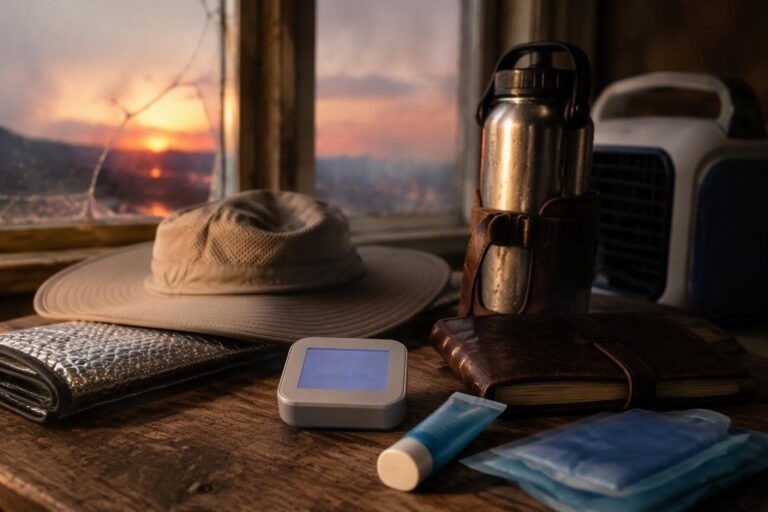
Wildfires can be a significant threat to travelers, especially during the summer months. Air quality is a major concern, as smoke and particulate matter can cause respiratory problems and other health issues. In addition to air quality, heat waves can also pose a significant risk to travelers, particularly in areas with limited access to cool water and shade.
When traveling in areas prone to wildfires, it is essential to stay informed about air quality indexes and heat wave warnings. This can be done by checking local news and weather reports, as well as using online resources such as air quality monitoring websites and mobile apps.
Travelers can also take steps to protect themselves from the effects of smoke and heat, such as wearing masks and staying hydrated.
Understanding Air Quality Indexes
Air quality indexes are a measure of the level of pollutants in the air, including particulate matter, ozone, and nitrogen dioxide.
These indexes can be used to determine the level of risk associated with outdoor activities and to take steps to protect oneself from the effects of poor air quality. For example, if the air quality index is high, travelers may want to avoid outdoor activities or take steps to reduce their exposure to pollutants, such as wearing a mask.
Heat Wave Safety Tips
Heat waves can be particularly dangerous for travelers, especially in areas with limited access to cool water and shade. To stay safe during a heat wave, travelers should take steps to stay hydrated such as drinking plenty of water and avoiding strenuous activities during the hottest part of the day. Travelers should also take steps to stay cool, such as wearing light, loose-fitting clothing and seeking shade when possible.
Emergency Preparedness
In the event of a wildfire, it is essential to have a plan in place for emergency evacuation. This can include identifying escape routes, having a first aid kit on hand, and staying informed about the latest developments through local news and emergency alerts. Travelers should also have a packing list that includes essential items, such as water, non-perishable food, and a mask.
By taking the necessary precautions and staying informed, travelers can minimize their risk of injury or illness during a wildfire. It is also essential to have a plan in place for emergency situations such as knowing the location of the nearest hospital or emergency services. By being prepared and taking the necessary precautions, travelers can stay safe and enjoy their trip, even in areas prone to wildfires.