

Clashes outside the al-Maashiq palace in Aden left at least one dead and multiple wounded after supporters of the Southern Transitional Council tried to breach the presidential complex
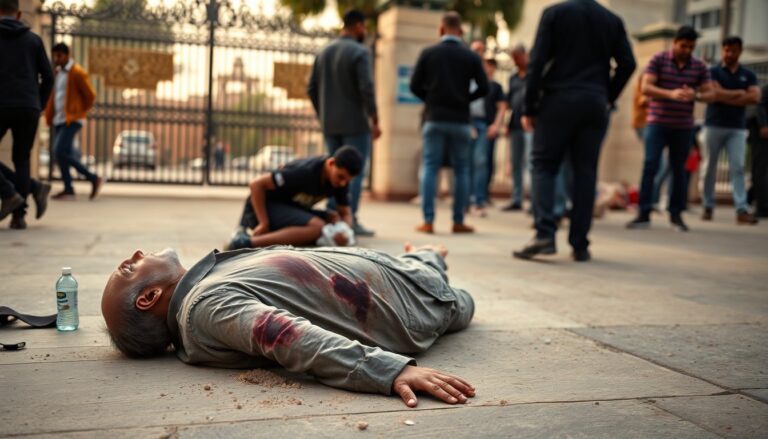
A violent confrontation broke out at the al-Maashiq Presidential Palace in Aden after a crowd associated with the Southern Transitional Council (STC) tried to force its way through the palace gates. Security forces responded with gunfire; officials and hospital sources say at least one person was killed and several others wounded.
Independent video shared online shows chaotic scenes—injured people sprawled on the pavement and frantic activity around the compound.
The clash unfolded while a government session was underway inside the palace. Organizers say the STC had planned a protest outside the complex, and witnesses report that a sizeable group gathered hours before the meeting.
Multiple news outlets have verified footage of shouting, pushing and attempts to breach the perimeter. Security teams erected temporary barricades at the entrance, but witnesses and officials say those barriers were repeatedly forced.
Accounts of what triggered the shooting differ sharply.
Authorities claim some demonstrators were armed and that officers opened fire in response to an attempted incursion. STC channels and many on-the-ground witnesses insist the crowd was largely peaceful until security forces used live ammunition. With limited independent verification so far, these competing narratives have only deepened political fault lines across Aden and the southern governorates.
Local reporters described a tense, fogged atmosphere: access to the area was restricted, internet connections were intermittent, and clashes swelled and ebbed near the gates. Videos and eyewitness testimony show people receiving first aid on the pavement and others being carried away. Officials framed their actions as a necessary defense of the compound and the officials inside; protesters and their backers called the response excessive and demanded accountability.
Each side moved quickly to shape public perception. Outlets aligned with the STC portrayed the incident as a crackdown on southern communities and called for an independent probe. Government channels defended the security response and warned against provocations that could further inflame the situation. Which version of events gains traction will matter—not just for local politics, but for how international actors respond.
This episode doesn’t stand alone. It fits into a larger pattern of contested authority in the south, where the STC has long rejected some decisions by the internationally recognized interim government and has built parallel administrative and security structures in areas it controls. Scheduling a cabinet session in Aden—a city split by loyalties—was always likely to be provocative, and the choice has intensified questions about legitimacy and cooperation between local and central authorities.
Practical consequences are already surfacing. Coordination problems between local officials and central ministries have delayed budget approvals and stalled public projects. Humanitarian agencies report restricted access to program sites and intermittent suspensions of services where local acceptance is uncertain. For businesses and potential investors, rising political risk makes repairs and new investments less attractive—prolonging daily hardships for residents.
The human cost is immediate: wounded civilians need urgent care, and in some districts electricity, water and health services have been disrupted. Humanitarian partners warn that such interruptions exacerbate hardship and could trigger secondary displacement among vulnerable households. Diplomatically, embassies and multilateral missions appear to be shifting from mediation toward damage control, while regional backers face intense pressure to prevent further violence without getting drawn into local legitimacy disputes.
Calls for an independent investigation are growing. Civil society groups and neutral observers want a transparent probe to establish what happened and who is responsible. The STC demands an impartial inquiry and has urged international actors to press for accountability. Meanwhile, the Aden Governorate Security Committee has stood by its personnel, saying they acted lawfully and cautioning that further provocations could spark more violence.
For now, Aden remains on edge. With facts still contested and verification limited, the fallout will depend as much on how these narratives are resolved as on any immediate political or security measures.
