A concise, experience-driven guide that teaches readers how to separate genuine technological and package upgrades from marketing spin at car launches
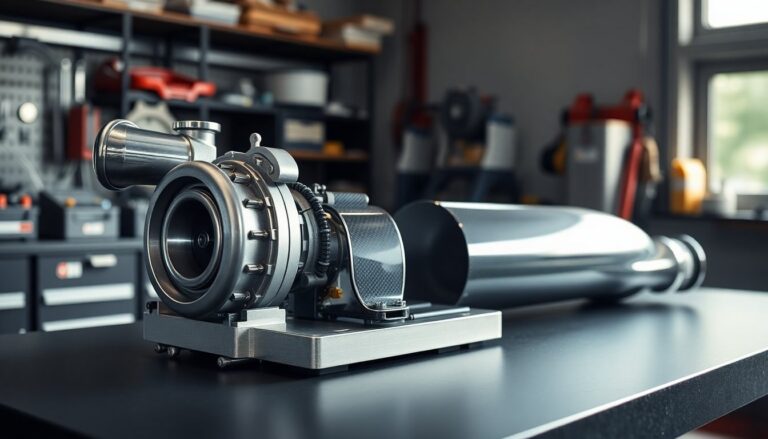
Car launches are a show. Lights, renderings, and slick video cutaways shape perception. But buyers and journalists must look past the spectacle. This guide gives a pragmatic checklist to separate real upgrades from slick hype, with concrete questions to ask and red flags to watch for.
Assess the mechanical and performance claims
Start where the rubber meets the road: the powertrain. Manufacturers often headline torque curves, horsepower gains, or range improvements. Yet the press blurb rarely tells you the testing protocol behind those numbers. Ask specific questions.
Was the power figure measured at the crank or at the wheels? Were fuel economy claims based on a standardized test cycle or internal simulations? These details matter because a modest 5-7 percent headline gain can vanish once you account for testing differences or added weight from new equipment.
Look for concrete engineering changes rather than cosmetic tweaks. An updated transmission with revised ratios, a new turbocharger with increased flow, or altered compression and valve timing are genuine mechanical upgrades. By contrast, a press release that touts “refined handling” without mentioning suspension geometry, spring rates, or damper control changes is often marketing language. From my experience, the clearest indicator of substance is whether a launch describes the engineering trade-offs involved. Engineers will discuss thermal management, NVH (noise, vibration, harshness) mitigation, or battery chemistry. Marketers will talk about “smoother acceleration” and show emotional footage.
Testable claims are gold. If a manufacturer provides real-world test data—lap times at a known circuit, consistent range numbers over repeated runs, or third-party verification—that signals transparency. If they offer only simulated graphs or normalized numbers, treat them cautiously. Direct experience shows that independent testing frequently narrows the gap between headline claims and live performance. Finally, consider the whole-vehicle impact. A power upgrade without corresponding brake, chassis, or cooling enhancements can produce a car that performs worse in repeated-use scenarios. In short: demand the engineering specifics, and cross-check claims against what can be independently measured.
Evaluate the fit, features and software versus marketing language
Not all improvements are about speed. Many launches center on interiors, driver assistance, and software. Those areas are fertile ground for genuine value—but also for clever packaging. First, parse the list of new features into categories: functional hardware, ergonomics, software-enabled functions, and cosmetic revisions. Hardware changes—new seats with different foam densities, a redesigned HVAC system, or improved headlamps—are tangible. They have measurable outcomes: better comfort scores, improved cabin airflow, or higher lumen output. Software changes, like updated ADAS (advanced driver-assistance systems) behavior, can also be substantial, but they depend on calibration and sensors. Ask whether new driver-assistance features rely on additional sensors or just new code on existing hardware.
Watch the phrasing. Phrases such as “enhanced user experience,” “refreshed cabin,” or “more premium feel” require follow-up. Which materials changed? Did switchgear get upgraded or only redecorated? Are safety improvements backed by new sensor arrays or only algorithm tweaks? Not surprisingly, true safety upgrades often entail hardware investments: larger radars, additional cameras, or LIDAR integration. Software-only safety enhancements can help, but they rarely replace hardware shortcomings.
Then consider packaging and pricing. A new trim that bundles previously optional features can be real value, or simply a way to raise margins. Check the optional equipment price ladder. If advanced features are available only in top trims at steep premiums, the perceived upgrade may be an upsell. Also scrutinize warranty terms for new components and whether over-the-air software updates are included or behind subscription fees. Those business-model decisions affect ownership cost and long-term value.
Finally, read between the lines of the visual presentation. Render-heavy launches often mean the production reality lags the concept. Photos of soft-touch surfaces do not guarantee improved durability. Ask for specifications, test reports, or a demonstration vehicle when possible. Direct experience shows that a hands-on inspection—sliding into the driver’s seat, checking switch feel, and reviewing build tolerances—reveals much that glossy imagery hides.