

A fatal head-on collision in Dorset claimed the lives of two men, highlighting critical delays in the revocation of a drug-impaired driver's licence.
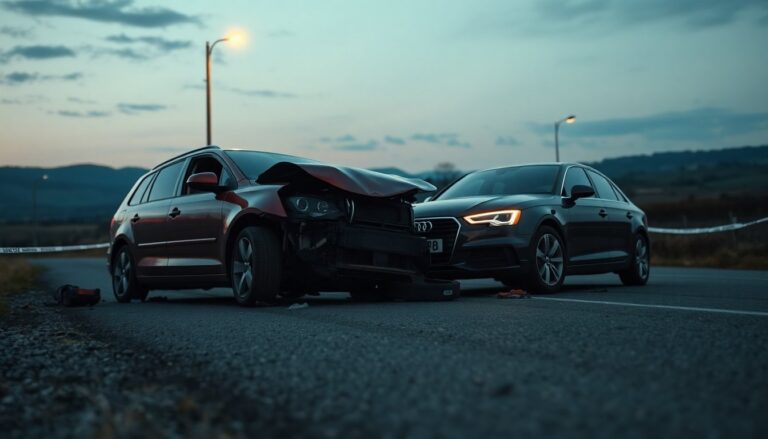
A devastating head-on collision in Dorset has brought to light critical flaws in the system meant to protect public safety from drug-impaired drivers. On December 13, 2026, Pete D’Arcy, a 57-year-old father, lost his life when his Volkswagen T-Roc was struck by an Audi A4 driven by Robbie Kenneth Diffey, 24, who was under the influence of drugs and alcohol and traveling at excessive speed.
The tragedy could have been prevented if not for a series of systemic delays that allowed Diffey to remain behind the wheel despite prior police intervention. This heartbreaking incident raises serious questions about the efficiency of licence revocation processes and the devastating consequences of such delays.
The Fatal Collision and Its Immediate Aftermath
The collision occurred when Diffey, speeding at 92mph and under the influence of cannabis and alcohol, crossed onto the wrong side of the road. The impact was so severe that the engine was ejected from D’Arcy’s vehicle, and the bonnet was torn off.
Both drivers were pronounced dead at the scene. Diffey was found with an open bottle of Peroni between his legs, and a Snapchat video captured the moments leading up to the crash.
D’Arcy’s widow, Louise, described the aftermath as a rollercoaster of emotions. ‘The police came round about half 10 in the evening,’ she recalled. ‘You get a knock on the door and see two policemen, but it didn’t even enter my head that I’d be in that situation.’ The family was left with countless questions and a profound sense of loss.
The Systemic Delays That Allowed the Tragedy
Just two months before the fatal crash, Diffey had been stopped by Dorset Police for driving under the influence of cannabis. The police recommended that his licence be revoked, but the process was delayed due to pending blood test results. The paperwork was sent to the DVLA, but the revocation was not processed until days after the tragedy. This critical delay allowed Diffey to continue driving, ultimately leading to the fatal collision.
Louise expressed her frustration with the system. ‘He didn’t have his licence taken away, and he was waiting to be banned,’ she said. ‘The police had sent the paperwork off to the DVLA saying they were waiting on blood results to ban him.’ She emphasized that her husband’s death could have been avoided if the police had more power to take licences off drivers when they were stopped for drug offences.
The Lasting Impact on the D’Arcy Family
The tragedy has had a profound impact on the D’Arcy family. Louise revealed that her 17-year-old son no longer wants to drive, and her daughter, Lucy, who passed her test last year, also refuses to get behind the wheel. ‘My 17-year-old, he doesn’t want to drive now because of this. My daughter, Lucy, passed her test last year, and she doesn’t want to drive either,’ Louise shared.
The family’s pain was compounded by the knowledge that the crash could have been prevented. ‘It was really upsetting – it could have been prevented if the police had more power to take licences off him when he got stopped,’ Louise stated. She called for more powers and faster processing times to prevent similar tragedies in the future.
Coroner Rachael Griffin concluded that D’Arcy’s death was ‘unlawful’ and described Diffey’s driving as ‘audacious and abhorrent.’ The inquest on May 28, 2026, highlighted the need for systemic changes to ensure that drug-impaired drivers are swiftly removed from the roads.
