After years with a ProQ smoker I finally bought a Kamado Joe—here's what sealed the deal and what the first cooks revealed
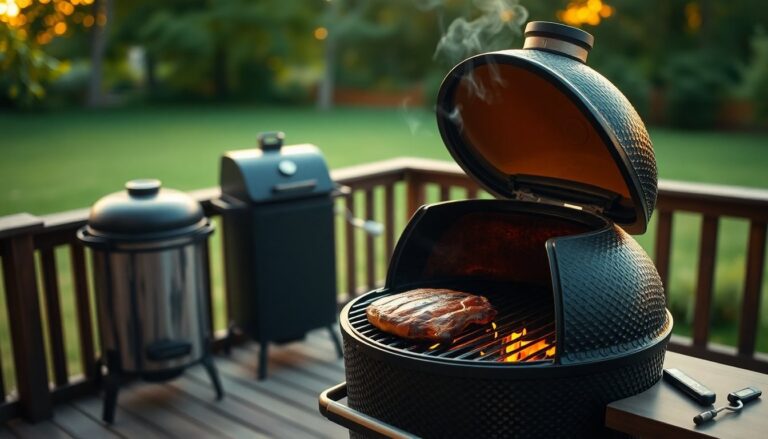
This piece contains affiliate links and I may earn a small commission if you decide to buy through them. That disclosure aside, the story here is straightforward: after a long run with a trusted ProQ smoker, I upgraded to a Kamado Joe Classic 1 following a compelling offer.
For a long time the low-and-slow techniques I practiced produced great results, but a persistent struggle with stable heat nudged me toward ceramic grills. I’d been researching ceramic grill options such as the Big Green Egg and Kamado Joe for years, soaking up videos, forum posts and reviews until I felt ready to take the leap.
My ProQ had made crowd-pleasing pulled pork, ribs and a reputation for smoky barbecue, yet when cooks stretched into multi-hour sessions there was always fiddling with vents and airflow. That specific limitation—consistent temperature control over long periods—was the catalyst for change.
I chose the Classic 1 because it seemed to offer the balance of performance and value I needed: the same core ceramic cooking system enthusiasts praise, a compact but usable 18-inch cooking surface, and features like the cast iron top vent that simplify long cooks. The price point had been a barrier until a timely discount made the decision practical rather than indulgent.
Why the Classic 1 appealed to me
I compared sizes and extras carefully before committing. The smaller junior kamados looked tempting for quick dinners, but when the family shows up you need enough cooking space to handle racks of ribs, wings and sausages simultaneously. The Kamado Joe Classic 1 offers around 250 square inches of usable area and the brand’s Divide & Conquer multi-level system, which makes juggling different foods far more manageable. I also weighed up pricier models in the Classic range; Classic 2 and 3 include upgraded hinges and more accessories, yet they didn’t justify the extra spend for my use. The Classic 1 felt like a practical step up from the ProQ without being overly extravagant, and the lifetime warranty on ceramic components added a layer of reassurance to the purchase.
The deal that pushed me over the line
Price was the final deciding factor. The usual listing I tracked sat around £899 on Amazon for the KJ23RH model, which is not an impulse buy. Then I found an offer at Appliance Centre that matched the Amazon price and accepted the code SALE10 for an additional 10% discount, bringing the outlay to under £810. That alone made me pause, but the package included extras that changed the calculus: a free official Kamado Joe grill cover and a bag of KJ Char lump charcoal. With the cover retailing at about £63 and the charcoal around £25, the bundled value turned a pricey hobby purchase into a sensible long-term tool for outdoor cooking.
First cooks: what changed in practice
The most immediate difference was the way the grill held and managed heat. Once I adjusted the vents and found the sweet spot, the Kamado Joe maintained stable temperatures for hours with very little intervention—something I had struggled to achieve consistently on the ProQ. Fuel usage was lower than expected thanks to the heat retention of the ceramic body, and that translated into more efficient long cooks. The cast iron top vent and quality gaskets helped the unit remain rock solid in temperature, removing much of the need for constant airflow fiddling that used to punctuate long smoking sessions.
Temperature control and heat retention
On first extended cooks, the improvement in temperature control was obvious. I could set a target for ribs or pork shoulder and trust the Classic 1 to hold it with minimal adjustments. The ceramic shell and thick lid do the heavy lifting for consistent heat, meaning less charcoal is required than in many traditional smokers. That efficiency, paired with stainless steel grates and the multi-level cook system, opened up approaches such as searing at higher zones while keeping other items at lower indirect temperatures—something that felt fiddly on the ProQ but straightforward on the kamado.
Cooking results and versatility
Results after a handful of cooks were very encouraging: chicken came out noticeably juicier, pork shoulder developed a deeper and crisper bark, and beef short ribs reached restaurant-level tenderness. Delicate proteins such as fish also became less daunting when cooked on the kamado, as the unit’s steady heat reduced flare-ups and hot spots. Overall, the Classic 1 delivered upgrade-level improvements without making the process intimidating for someone transitioning from a traditional smoker—precisely why it felt like the right entry point into ceramic grilling.