

Exploring the motivations and impacts of protests in contemporary contexts
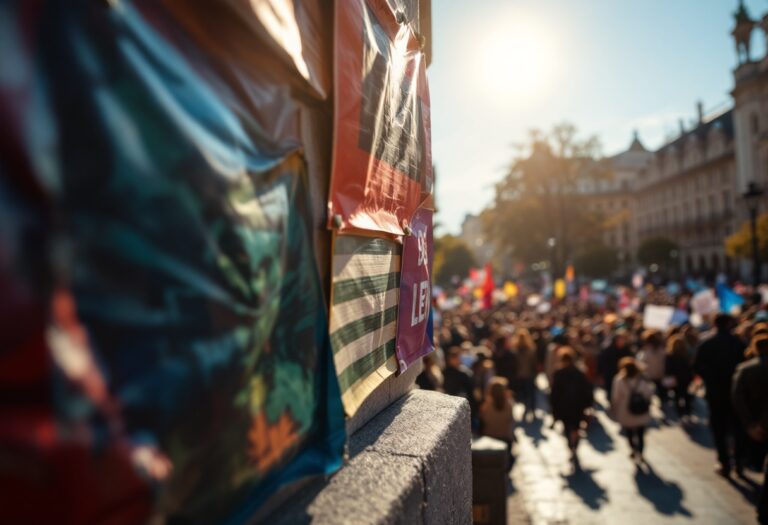
Public protests have become a significant aspect of contemporary society, serving as a platform for individuals to voice their opinions and advocate for change. These gatherings often reflect deep-seated issues within communities, ranging from political grievances to social injustices.
In recent years, the frequency and visibility of protests have surged, prompting discussions about their motivations and implications.
The rise of public protests
In the age of social media, the ability to mobilize large groups of people has never been easier.
Activists can share information and rally support at an unprecedented pace. This phenomenon has led to a rise in protests across the globe, with movements addressing various issues such as climate change, racial equality, and human rights. The accessibility of platforms like Twitter and Facebook allows for real-time updates and engagement, making it easier for individuals to participate in movements that resonate with them.
Motivations behind protests
Understanding the motivations behind public protests is crucial for comprehending their impact. Many participants are driven by a sense of injustice or a desire for change. For instance, protests related to environmental issues often stem from concerns about climate change and its effects on future generations. Similarly, social justice movements arise from a collective frustration with systemic inequalities. These motivations are often deeply personal, as individuals seek to address issues that affect their lives and communities.
The impact of protests on society
Protests can have a profound impact on society, influencing public opinion and policy decisions. They serve as a catalyst for dialogue, pushing issues into the mainstream consciousness. While some may view protests as disruptive, they can also lead to constructive conversations and legislative changes. For example, the Black Lives Matter movement has sparked discussions about police reform and racial equality, leading to policy changes in various jurisdictions. However, the effectiveness of protests can vary, and not all movements achieve their desired outcomes.
The role of technology in modern protests
Technology plays a pivotal role in shaping the landscape of public protests. Mobile phones and social media platforms enable activists to document events, share their messages, and connect with a broader audience. However, this also raises concerns about privacy and the potential for misinformation. The ability to capture and disseminate information quickly can lead to both positive and negative consequences, as seen in various protests worldwide. As technology continues to evolve, its influence on public protests will likely grow, necessitating a critical examination of its implications.
Conclusion
Public protests are a vital expression of democratic values, allowing individuals to voice their concerns and advocate for change. As society continues to grapple with complex issues, understanding the motivations and impacts of these movements becomes increasingly important. By fostering open dialogue and encouraging civic engagement, communities can work towards addressing the challenges that lie ahead.
