Club doors shut, Instagram accounts vanish, and dancing loses its sparkle – the night scene is in trouble.
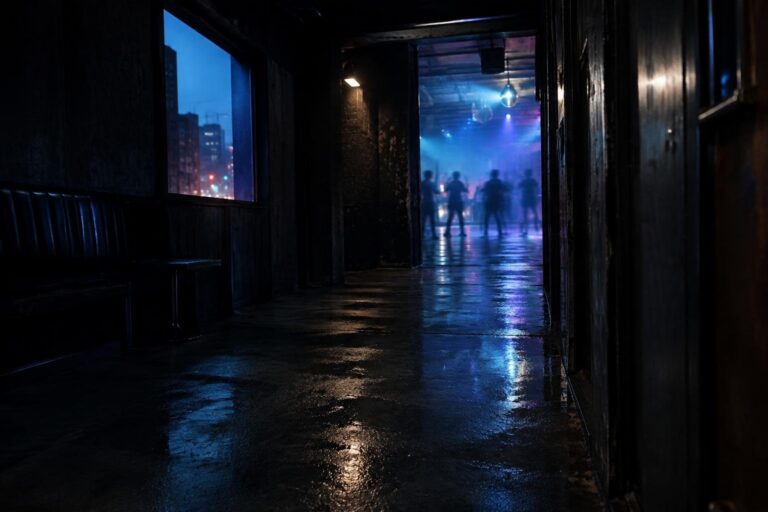
Across Britain, a silent transformation is reshaping the urban nightscape. Recent research from the Night Time Industries Association shows that one in four towns no longer host a single nightclub, while another sixth lack any establishment that stays open past midnight.
Young residents such as Henry Gannon from Woking describe the aftermath as a “bleak” evacuation of communal gathering spots, leaving a generation that often cannot afford pricey entertainment with almost nothing to do after dark.
Economic pressure and cultural erosion in UK nightclubs
The cost-of-living crisis is frequently cited as the driving force behind this decline. Rising rents, higher taxes and shrinking disposable income force many venues to shutter their doors, and once a club disappears it rarely reappears. Michael Kill, chief executive of the NTIA, warns that the nation is experiencing a “national cultural crisis” as the infrastructure that once nurtured music, dance and social interaction erodes beyond easy repair.
Young people like Adam from Tonbridge note that even the remaining pubs and bars close around midnight, offering only a fleeting glimpse of the vibrant nightlife that used to define their towns.
Instagram’s unexpected role in US LGBTQ club setbacks
Meanwhile, across the Atlantic, two Orlando LGBTQ+ nightclubs — Savoy and Anthem — found themselves suddenly cut off from a vital promotional tool when Instagram disabled their business accounts for alleged “human exploitation”. Owners Brandon Llewellyn and Mike Vacirca describe receiving vague notifications that their accounts were flagged, followed by permanent bans despite immediate appeals. Meta later admitted the removals were errors and reinstated the profiles, but the episode highlighted how reliance on a single social platform can jeopardize a venue’s ability to reach patrons, especially when automated moderation systems lack human review.
These bans forced the clubs to scramble for backup accounts, dropping follower counts from thousands to just a few hundred. The loss of a primary communication channel meant that upcoming events could not be advertised effectively, undermining revenue streams and community engagement. While Savoy has already launched a third Instagram page, the episode underscores the precariousness of digital dependency for nightlife businesses in an era where online presence is often as crucial as a physical door.
Changing attitudes toward dancing and social interaction
Beyond economic and technological pressures, the very act of dancing is undergoing a cultural shift. Online discourse reveals a split between those who view the dance floor as a natural bridge to conversation and those who feel that modern anxieties — such as fear of being filmed for TikTok or the pressure to maintain a flawless image — discourage spontaneous socializing. Some commentators argue that the rise of health-focused lifestyles and the increasing prevalence of alcohol-free evenings are turning nightclubs into spaces that feel “boring” without the traditional drink-driven atmosphere.
Nevertheless, stories of individuals who have forged lasting relationships through impromptu dance moments persist, reminding us that the rhythm of the floor can still serve as a powerful conduit for connection. Entrepreneurs like Finn Ashcroft of Chichester are responding by creating grassroots events and pop-up venues that bypass traditional club economics, offering young people affordable opportunities to gather, dance, and make memories without relying on large-scale establishments.