

Haley Stevens, a Michigan Democrat, shocks voters by backing GOP rival Mike Rogers in the Senate contest.
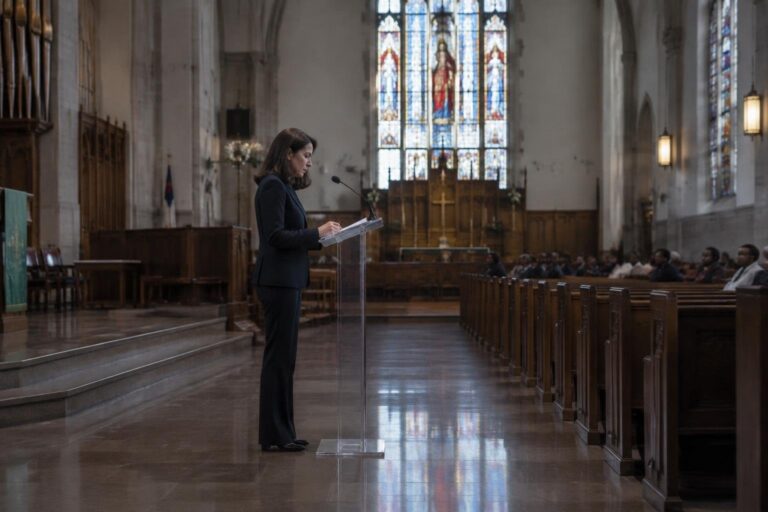
In a move that stunned political observers, U.S. Rep. Haley Stevens, a Democrat from Michigan, publicly backed the Republican contender Mike Rogers just days before the state’s critical Senate election. Stevens, who was defeated by Abdul El-Sayed in the Democratic primary, appeared beside Rogers at a church service in Detroit and posted a short video declaring her endorsement.
The announcement came after a bitter rivalry between the two Democrats had escalated throughout the primary campaign. Stevens, known for her centrist stance, accused El-Sayed of fostering an atmosphere of hostility, particularly over the latter’s refusal to denounce a liberal-group advertisement that linked U.S.
support for Israel to rising living-cost pressures.
The endorsement that upended the race
During a brief video shared on the platform X, Stevens said, “I don’t belong in Abdul’s campaign. What we stand for as Michiganders is not hate, and that is not what we are getting from the Democratic nominee right now.
That’s why I am endorsing Mike Rogers.” The clip was recorded outside the Perfecting Church, a predominantly Black congregation in Detroit’s North End, where Rogers was delivering a sermon. By aligning herself with Rogers, Stevens turned a primary defeat into a cross-party statement.
Stevens’ decision arrives at a precarious moment for the Democratic Party, which needs a net gain of four Senate seats to reclaim control. Michigan’s seat is presently held by a Democrat, and losing it would increase the number of pickups required to ten, a significant setback for the party’s 2026 midterm strategy.
Roots of the feud: Israel, ads, and personal snubs
The clash between Stevens and El-Sayed centered on the contentious issue of U.S. policy toward Israel. Stevens, a vocal supporter of Israel, demanded that El-Sayed publicly repudiate an external liberal advertisement that suggested American aid to Israel inflates domestic prices. El-Sayed refused, labeling the request an unnecessary reopening of a concluded primary battle.
Compounding the policy disagreement, El-Sayed reportedly barred Stevens from attending a joint rally meant to showcase party unity. When Stevens attempted to attend the event, she was turned away, prompting her to substitute the appearance with a service alongside Rogers. “Abdul made clear that I was not welcome in his campaign, that he didn’t need me there,” Stevens told reporters outside the church.
Reactions from both sides of the aisle
Democratic leaders reacted swiftly. Party chair Curtis Hertel denounced the endorsement as a betrayal, citing Rogers’ history of opposing working-class interests, supporting stringent abortion bans, and pledging loyalty to former President Donald Trump’s agenda. Several members of Stevens’ own staff, including longtime chief of staff Justin German and communications director Logan Basch, resigned in protest, issuing statements that reaffirmed support for El-Sayed.
Progressive figures such as Bernie Sanders amplified the outrage on social media, labeling the move an “extraordinary betrayal.” New York City Mayor Zohran Mamdani echoed the sentiment, accusing Stevens of abandoning working-class voters.
Republican allies, while noting the endorsement’s symbolic value, expressed skepticism about its electoral impact. A Rogers supporter observed, “People can see right through her actions; she’s just angry. It won’t change anyone’s mind.” Nonetheless, former President Trump praised Stevens during a rally in Iowa, urging her to consider joining the Republican Party.
El-Sayed himself downplayed the incident, stating, “At the end of the day, I don’t think about Haley Stevens. I’m more interested in policy than politics.” He added that voters should focus on standing up to hate rather than supporting candidates aligned with Trump’s platform.
The episode highlights deep fissures within Michigan’s Democratic ranks, reflecting broader national debates over the party’s direction ahead of the 2028 presidential election. With the Senate seat hanging in the balance, the fallout from Stevens’ endorsement may influence voter perceptions and campaign dynamics in the final days before Election Day.
