Discover the essentials of e-scooter rules and safety in the uk, from helmets to insurance
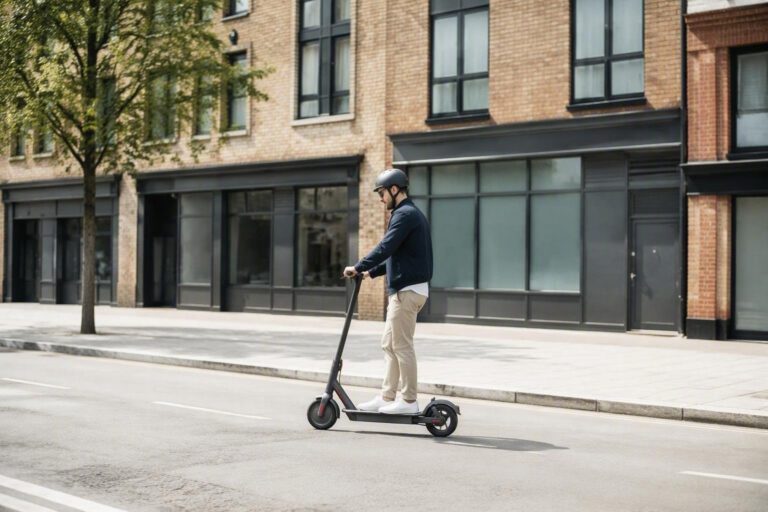
The use of e-scooters has become increasingly popular in the uk, with many people turning to them as a convenient and environmentally friendly mode of transportation. However, with this rise in popularity comes the need for clear guidelines and regulations to ensure the safety of both e-scooter users and other road users.
This guide defines the core legal and safety principles that apply to e-scooters and explains how riders can make informed, responsible choices.
In the uk, e-scooters are considered motor vehicles and are subject to certain rules and regulations.
As a general legal baseline, privately owned e-scooters are not permitted on public roads, and riding on pavements is prohibited. Where specific schemes or local permissions apply, riders should verify exact conditions with the relevant authority before setting off.
This article outlines the legal status, equipment expectations, insurance and liability, and city-level variations. Ultimo aggiornamento: 13 ottobre 2026
Legal status and core road rules
One of the most important aspects of e-scooter safety is the use of helmets. While not mandatory for all e-scooter users, it is highly recommended that riders wear a helmet to protect themselves in the event of an accident. Additionally, e-scooter users are required to follow the same road traffic laws as other motor vehicle users, including obeying traffic signals and signs, and riding in the same direction as traffic. Where local frameworks allow limited use, public roads and pavements remain restricted areas for private e-scooters riders should check any designated routes or operational zones set by the competent authority.
Insurance and liability
Insurance and Liability In the uk, e-scooter users are not required to have insurance but it is highly recommended. Many insurance companies offer specialized e-scooter insurance policies that can provide protection in the event of an accident or theft. It is also important for e-scooter users to understand their liability in the event of an accident, and to take steps to minimize their risk of being involved in a collision. Where use is permitted by a scheme or specific classification, insurance conditions may be defined by the operator or by vehicle category; riders should confirm coverage details in writing.
Safety gear and maintenance essentials
Safety Gear and Maintenance In addition to helmets, there are several other pieces of safety gear that e-scooter users should consider wearing, including knee pads and elbow pads. Regular maintenance is also essential to ensure that the e-scooter is in good working condition, and to prevent accidents caused by mechanical failure. Focus on brake function tyre condition, lighting and reflectors, and ensure that any speed limiter or bell, where fitted, operates correctly. Keep charging practices safe and use the manufacturer-approved charger to protect the battery.
City-by-city regulations and verification
City-by-City Regulations While there are national regulations governing the use of e-scooters in the uk, there may also be additional city-by-city regulations that e-scooter users should be aware of. For example, some cities may have designated e-scooter lanes or parking areas while others may have specific rules governing the use of e-scooters in certain areas. Riders should assume no access to pavements and pedestrian zones unless signage explicitly permits it and should verify permitted areas, parking rules and any local penalties via the official local authority or scheme app before riding.
Practical takeaways for safer decisions
By understanding and following the rules and regulations governing e-scooter use in the uk, riders can help to ensure their own safety, as well as the safety of other road users. Whether you are a seasoned e-scooter user or just starting out, it is essential to take the time to learn about the laws and regulations that apply to e-scooters in your area, and to always wear safety gear and follow safe riding practices. When in doubt, confirm where you may legally ride, avoid pavements, carry visible lights, and document any insurance or scheme terms so that expectations are clear before you roll.
Common legality questions
- Can I ride a private e-scooter on UK roads? In most cases, no. Public roads are not permitted for private e-scooters unless a specific legal framework authorizes it.
- Can I ride on pavements? No. Pavements are off-limits to e-scooters.
- How do I verify local rules? Check the official local authority website or the authorized scheme’s app for maps, parking, and any access restrictions.