Africa prepares for significant economic losses and food security challenges as a strong El Niño approaches in 2026
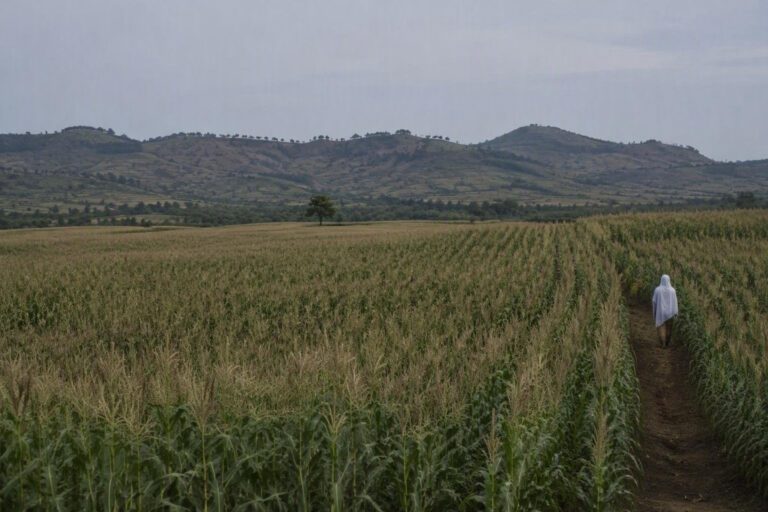
The African continent is bracing for substantial economic and agricultural disruptions as meteorologists predict an unusually strong El Niño event for later this year. This climate phenomenon, characterized by warmer-than-average sea surface temperatures in the Pacific Ocean, is expected to bring significant weather pattern changes that could severely impact African economies and food production systems.
The African Development Bank estimates that the most affected countries could see their gross domestic product (GDP) reduced by 1% to 2% translating to economic losses between $10 billion and $20 billion across the continent. These projections come as Africa is still recovering from the impacts of previous climate shocks and economic challenges.
The economic ripple effects of El Niño
The economic consequences of this climate event are expected to extend beyond a single harvest season. Governments may need to reallocate funds from critical sectors like healthcare, education, and infrastructure to address immediate needs such as flood recovery, drought mitigation, and repairing damaged transportation and energy systems.
This redirection of resources could exacerbate what climate experts refer to as the climate finance trap where countries with limited financial resources are forced to borrow or divert existing budgets to cope with climate-related disasters.
Countries identified as particularly vulnerable include Sudan, South Sudan, the Democratic Republic of Congo, Somalia, Mali, Burundi, and Nigeria. These nations already face challenges such as food shortages, conflict, and weak public finances, making them especially susceptible to the economic fallout from El Niño.
Agricultural vulnerabilities and food security concerns
The impending El Niño poses significant threats to Africa’s agricultural sector, which is crucial for food security and economic stability. In southern Africa the event is typically associated with drier conditions which can lead to reduced crop yields and livestock losses. Conversely, eastern Africa may experience heavier rainfall increasing the risk of flooding that can destroy farmland and disrupt transportation networks.
These weather extremes could exacerbate existing food security challenges. The United Nations Food and Agriculture Organization (FAO) and the World Food Programme (WFP) have warned that a strong El Niño could increase the risk of drought, floods, and storms across vulnerable regions. They’ve launched a $202 million appeal to protect 8.8 million people in high-risk countries, highlighting the urgent need for international support.
Farmers across the continent are particularly concerned about the impact on rainfall patterns. drought conditions can devastate crops and livestock, while flooding can erode farmland and damage infrastructure. Rising temperatures may also reduce agricultural yields and strain water resources, further threatening food production.
Global food system resilience in the face of El Niño
While the potential impacts of El Niño are concerning, the global food system has become more resilient in recent decades. Advances in agricultural technology such as drought-tolerant crop varieties, improved irrigation systems, and precision farming techniques, have enhanced production capabilities. Additionally, the emergence of major agricultural exporters like Brazil and Russia has diversified global food supplies, providing alternative sources when traditional producers face shortages.
Near-record food inventories and improved weather forecasting systems offer some protection against potential production losses. Countries like India which holds significant rice reserves, and China with its substantial wheat stocks, can help stabilize global markets if major producing regions experience crop failures. These factors suggest that while El Niño may disrupt food supplies, the
However, ongoing conflicts and geopolitical tensions could undermine this resilience. The Iran war has already disrupted fertilizer and fuel supplies, creating additional challenges for global agricultural production. As El Niño intensifies, these factors combined could put significant pressure on food prices and availability, particularly in vulnerable regions.
The scale of the damage will ultimately depend on the strength of the El Niño event, the specific rainfall patterns that emerge, and the effectiveness of government and aid agency responses. As Africa prepares for this climate challenge, proactive investment in resilience and preparedness will be crucial in mitigating the potential economic and humanitarian impacts.