

The uk house of lords is a vital component of the uk parliamentary system, playing a crucial role in shaping the country's laws and policies
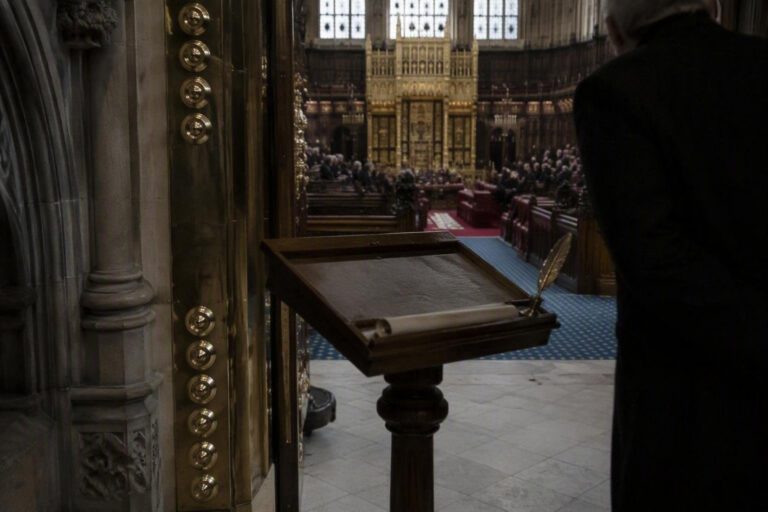
The uk house of lords is the upper chamber of the uk parliament, comprising appointed members who hold their seats for life. The house of lords has a long history, dating back to the 14th century, and has evolved over time to become a vital component of the uk parliamentary system.
Legislative scrutiny is one of the primary functions of the house of lords, where members examine and debate proposed laws, ensuring that they are effective and do not infringe on individual rights.
The house of lords is composed of appointed members who are chosen for their expertise and experience in various fields.
These members are not elected and do not represent a specific constituency, but rather provide a check and balance on the elected house of commons. The house of lords has the power to amend and revise legislation, but not to veto it outright.
Reform proposals
There have been numerous reform proposals put forth to modify the composition and functions of the house of lords. Some have suggested introducing electoral elements where members would be elected by the public, while others have proposed a hybrid model combining appointed and elected members. These proposals aim to increase the house of lords’ accountability and representation, while maintaining its independence and expertise.
Impact on policy
The house of lords plays a significant role in shaping the uk’s climate policy with members contributing to debates and committees focused on environmental issues. The house of lords has also been involved in discussions on tech policy particularly regarding the regulation of emerging technologies and their impact on society. Furthermore, the house of lords has addressed social policy issues, such as education and healthcare, providing a platform for members to share their expertise and experiences.
Trade-offs between models
When considering reform proposals, it is essential to weigh the trade-offs between elected, appointed, and hybrid models. An elected house of lords might increase accountability but potentially lead to partisan politics and a loss of independence. An appointed house of lords maintains expertise and independence but may be perceived as undemocratic. A hybrid model could balance these concerns, but its implementation would require careful consideration of the potential consequences.
