

King Charles lands in Guyana for a two‑day state visit, honoring six decades of partnership, confronting the legacy of slavery and highlighting climate and trade cooperation.
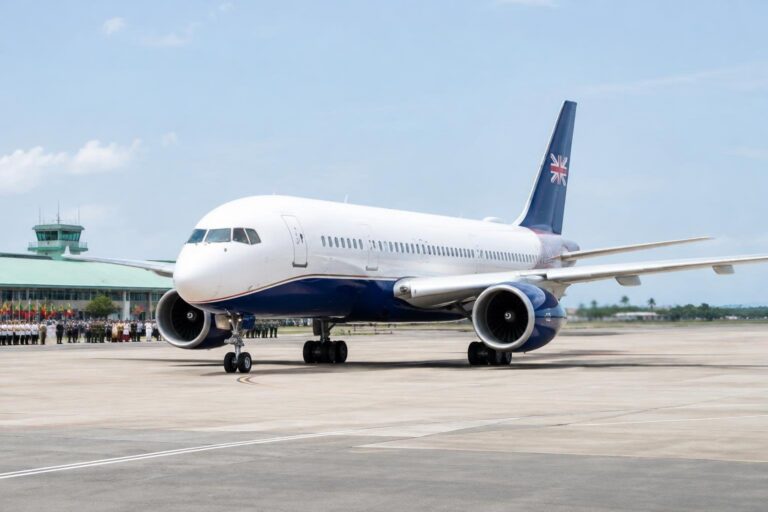
His Majesty King Charles III touched down in Georgetown on a solo state visit that underscores a historic milestone: sixty years of diplomatic friendship between the United Kingdom and Guyana. Arriving from the Bahamas, where he spent two days attending cultural events, the monarch was greeted at Cheddi Jagan International Airport by President Mohamed Irfaan Ali, Britain’s High Commissioner Joseph Fisher and former Foreign Secretary Ed Miliband.
The nine-day Caribbean itinerary will culminate next week in Antigua and Barbuda, where the King will open the Commonwealth Heads of Government Meeting (CHOGM). The tour arrives at a moment when Caribbean nations are pressing the UK to confront its role in the trans-Atlantic slave trade and to consider reparative measures.
Six decades of bilateral ties and economic momentum
According to a spokesperson for the Foreign, Commonwealth and Development Office (FCDO), Guyana now stands as the world’s fastest-growing economy and has become the United Kingdom’s largest trading partner within the Commonwealth Caribbean.
“His Majesty’s visit comes at an important moment, as Guyana marks 60 years of independence and the UK and Guyana celebrate six decades of close bilateral relations,” the statement read.
The relationship spans trade, investment, climate action and security cooperation. The FCDO highlighted that over 85% of Guyana’s land area remains forested, storing more than 20 billion tonnes of carbon. This makes the country a critical ally in global biodiversity preservation while it pursues sustainable development pathways.
Confronting the legacy of slavery
During his brief stop in the Bahamas, the King addressed a youth rally and noted, “Some of what is best in Bahamian culture today, the most joyful, the most hopeful, the most bright, was born out of darkness.” He also promised to “acknowledge the great suffering of the past,” echoing President Ali’s recent interview in which he said Charles had recognised slavery as “the darkest days in human history” and that “moving to an apology is the next step.”
At the Georgetown reception, the monarch reiterated that the upcoming CHOGM will devote significant attention to the “legacy of slavery.” While the British government has not pledged a formal apology or financial reparations, it has reaffirmed that the historical trade in enslaved persons was “abhorrent” and its impact “still felt today.” The King’s remarks therefore serve both a symbolic and diplomatic function, signalling a willingness to engage in honest dialogue.
Environmental stewardship and future collaboration
Beyond the historical discourse, the visit highlights Guyana’s strategic importance in climate negotiations. The FCDO spokesperson noted, “With over 85% forest coverage, storing more than 20 billion tonnes of carbon, Guyana is a critical partner in protecting biodiversity while supporting sustainable economic growth.” The United Kingdom intends to deepen cooperation on renewable energy projects, wildlife protection and climate-resilient infrastructure.
Economic ties were also on the agenda. The partnership includes joint ventures in mineral extraction, offshore oil development and agricultural trade. As Guyana’s economy expands, British investors are increasingly present in sectors ranging from finance to renewable technologies, reinforcing the statement that the UK is the largest Commonwealth Caribbean trading partner.
The King inspected a guard of honour comprising 96 members of the Royal Bahamas Police Force and the Royal Bahamas Defence Force, a ceremonial moment that underscored the shared heritage and the challenges ahead. The state visit will conclude with a garden reception at State House, where President Ali and King Charles will discuss further avenues for collaboration before the monarch departs for Antigua and Barbuda to preside over CHOGM.
