

Practical guide to nightlife safety and privacy protection
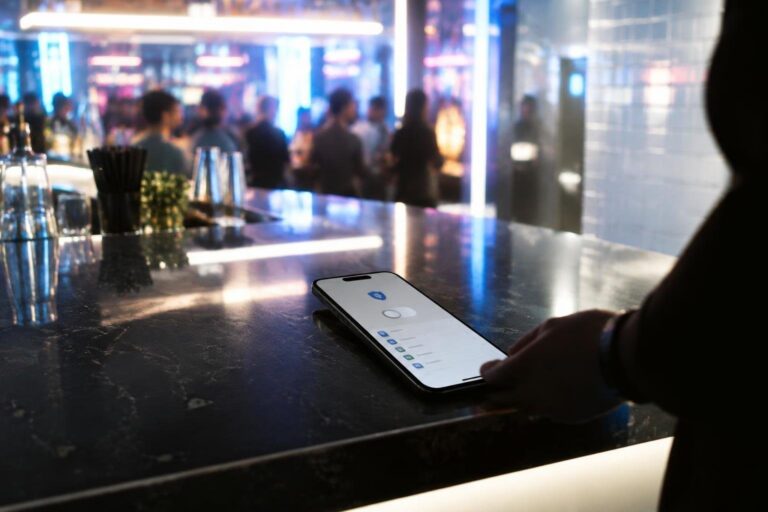
Going out at night can be a fun and exciting experience, but it’s essential to prioritize your safety and privacy. In today’s digital age, it’s easier than ever for your personal information to be shared without your consent.
To avoid this, it’s crucial to take steps to protect yourself.
One of the most important things you can do is to be mindful of your phone settings. Make sure that your location services are turned off, and that you’re not sharing your location with anyone you don’t trust.
You should also be careful about what you post on social media, as it can be easy for others to track your movements and activities.
Phone Settings and AirDrop/Nearby Share Hygiene
When you’re out at night, it’s a good idea to keep your phone on lockdown mode.
This will prevent others from accessing your phone if it’s lost or stolen. You should also be careful about using AirDrop or Nearby Share, as these features can allow others to send you unwanted files or messages.
Bystander Tools and Venue Safety Signals
If you’re at a venue and you feel uncomfortable or unsafe, there are several bystander tools that you can use to get help. For example, you can use a panic button or a safety app to alert others to your situation. You should also be aware of the safety signals that are in place at the venue, such as emergency exits or security personnel.
Handling Unwanted Filming and Removing Content Online
If someone is filming you without your consent, you have the right to ask them to stop. You can say something like, I don’t want to be filmed, please stop. If the person continues to film you, you can report them to the venue management or security personnel. If you find that someone has posted a video or photo of you online without your consent, you can report it to the social media platform and ask them to remove it.
In addition to these steps, it’s also important to be aware of your surroundings and to trust your instincts. If you feel like something is off or that you’re in a situation that’s not safe, don’t hesitate to remove yourself from it. Your safety and consent are the most important things, and you should never compromise them for the sake of a good time.
