Dive into the nutritional battle between white rice and brown rice to uncover which grain deserves a place on your plate.
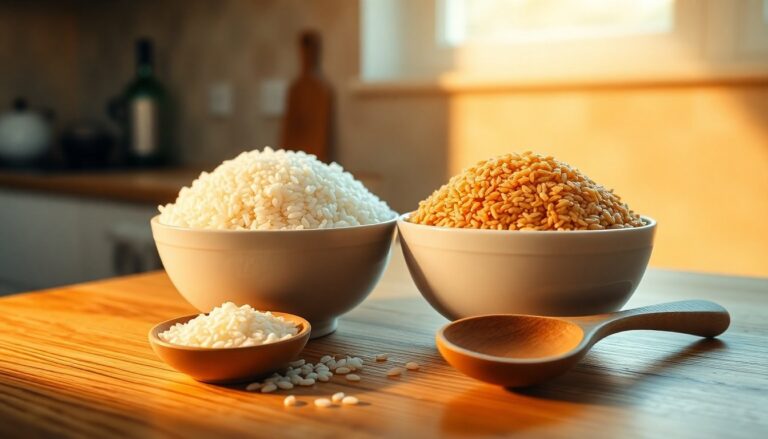
Rice, a dietary cornerstone for billions, offers a versatile canvas for culinary creativity. From vibrant salads to hearty stir-fries, this humble grain plays a starring role in countless meals. Its simplicity in preparation and adaptability to various proteins and vegetables make it a global favorite.
When faced with the choice between white rice and brown rice many find themselves at a crossroads. The decision isn’t merely about color or texture; it’s a matter of nutritional value and health implications. Understanding these differences can empower you to make informed choices that align with your well-being.
The Nutritional Powerhouse: Brown Rice
Brown rice stands out as a whole grain retaining all parts of the grain: the fiber-rich bran, nutrient-dense germ, and starchy endosperm. This preservation of natural components translates to a higher concentration of essential nutrients.
Brown rice is particularly rich in fibermagnesiumpotassiumiron and certain B vitamins.
Harvard Health Publishing highlights the benefits of incorporating brown rice into a diet rich in fiber-filled whole grains. Such a diet has been linked to a reduced risk of heart diseasetype 2 diabetes and supports healthy weight management. The glycemic index (GI) of brown rice, typically around 68 ± 4 indicates a moderate impact on blood sugar levels, making it a favorable choice for many.
The Digestive Friendly Option: White Rice
White rice on the other hand, undergoes processing that removes the bran and germ, resulting in a softer texture and easier digestibility. This makes it a suitable option for individuals with irritable bowel syndrome or inflammatory bowel disease especially during flare-ups. Despite its lower fiber content, white rice offers a comparable calorie count to brown rice.
However, white rice has a higher GI, typically around 73 ± 4 which means it can cause a more rapid increase in blood sugar levels. Harvard Health Publishing notes that consuming white rice is associated with a higher risk of developing type 2 diabetes whereas brown rice consumption is linked to a lower risk.
Making the Right Choice for Your Health
When it comes to choosing between white rice and brown rice, the decision ultimately depends on your individual health needs and preferences. Harvard Health Publishing suggests that brown rice, with its higher nutrient and fiber content and lower glycemic index, is generally the healthier choice for most people.
However, if you are experiencing digestive issues that make fiber difficult to tolerate, white rice may be a more comfortable option until your symptoms improve. Understanding these nuances can help you make a choice that supports your