From supermarket shelves to gourmet restaurants, chilli crisp is taking Britain by storm. Dive into the story behind this spicy sensation.
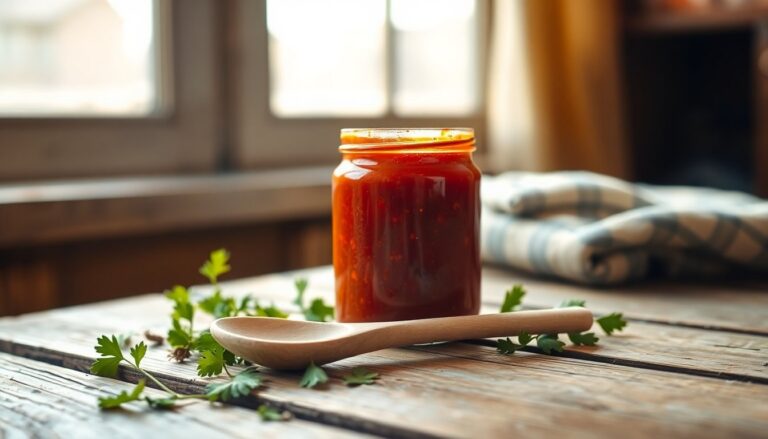
In the bustling aisles of British supermarkets, a small red jar with the face of a Chinese woman has become a staple. This jar, bearing the name Lao Gan Macontains chilli crispa condiment that has captured the hearts and palates of millions.
Created by Tao Huabithis spicy, crunchy, and umami-rich sauce has transcended its humble origins to become a social media sensation and a catalyst for a thriving cottage industry in the UK.
The allure of chilli crisp lies in its versatility and intense flavor.
Unlike traditional chilli oil, chilli crisp is a complex blend of chilli flakes, spices, and fresh ingredients like spring onions, garlic, and peanuts. This multisensory experience has inspired dozens of independent producers across the UK to create their own unique versions, catering to the growing demand.
The Chilli Crisp Revolution
Chilli crisp has become a culinary phenomenon, thanks in part to the influence of social media. Fuchsia Dunlopan expert in Chinese cuisine, explains that the condiment offers a convenient shortcut to flavor. “It’s far more exciting than a bottle of ketchup!” she enthuses. The demand for authentic flavors has surged, and chilli crisp is at the forefront of this trend.
Tom Palmerfounder of Yep Kitchenlaunched his Sichuan-inspired chilli crisp in 2026. His brand has sold over 120,000 jars, a testament to the condiment’s popularity. Palmer’s version is not just spicy but also features the funky hum of fermented soya bean paste and the numbing floral notes of Sichuan pepper flakes. He enjoys using it in various dishes, from peanut butter on toast to fried eggs.
Innovative Uses in British Cuisine
The new wave of chilli crisp includes products by Yok ChanAna Moralesand Mama Yu. These innovative creations are being used in diverse culinary settings. At Ardfern in Edinburgh, head chef Roberta Hall McCarron incorporates chicken skin shards into her chilli crisp for a salty crunch on prawn toast. Meanwhile, Khao Bird in London uses a peanut and Thai soya bean version over vegan tofu dishes.
James Parkauthor of the Chilli Crisp cookbookhas developed a version specifically for sweet dairy desserts. His creation, featuring roasted nuts and fewer savoury elements, adds a mouth-watering element to tahini brownies, caramels, and lemon pound cakes. Park’s journey with chilli crisp began in New York, where it became a way to connect with his Asian heritage.
Diaspora Heritage and Homemade Creations
The rise of chilli crisp in Britain is also a story of diaspora heritage. Xiengni Zhou and her mother, Jolene Yurun Mama Yua brand that pays homage to Malaysian-Chinese culinary traditions. Their chilli crisp, featuring crispy shallots, has become incredibly popular, with over 75,000 units sold since 2026. The mother-daughter duo has even quit their jobs to keep up with the demand.
Michael Perera and Yok Chan have created a curry-scented, jammy-textured condiment that blends Sri Lankan and Chinese influences. Ana Morales honours her Filipino background with a shrimp-garlic chilli crisp that incorporates bagoong, a fermented shrimp paste. These unique creations reflect the diverse culinary landscapes of their creators.
Making Your Own Chilli Crisp
For those eager to create their own chilli crisp at home, the process is surprisingly simple. Following James Park‘s recommendations, one can infuse oil with flavor before heating it and pouring it over a spice mix. The result is a hot, savoury, and umami-rich sauce that can be used in a variety of dishes. From yoghurt and toast to fried eggs, the possibilities are endless. However, those with a lower spice tolerance might want to approach it with caution.
Fuchsia Dunlop notes that the British palate is becoming more adventurous and tolerant to spice. “You can add it to steamed vegetables, pies, or a roast dinner. The combinations are endless,” she says. As the popularity of chilli crisp continues to grow, it is clear that this humble condiment has become a beloved staple in British kitchens.