

From its humble beginnings in Genoa to global fame, pesto has evolved into a versatile sauce with countless variations. Discover its health benefits and top supermarket picks.
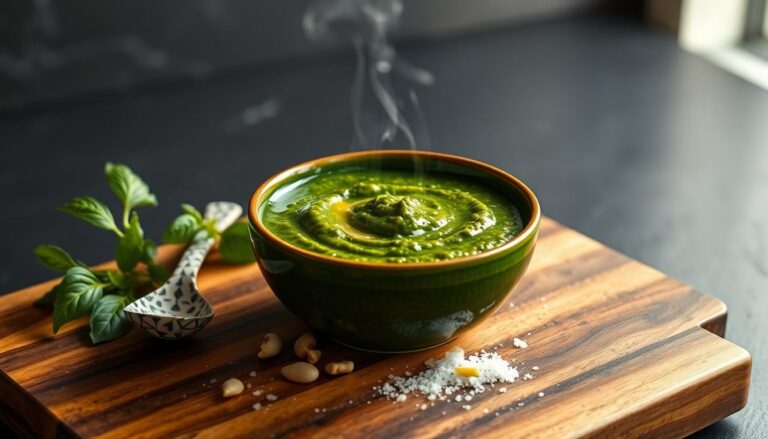
Pesto, a vibrant sauce born in the heart of Italy, has transcended its traditional roots to become a global culinary phenomenon. Originating from the northern city of Genoa this aromatic blend of olive oilbasil hard cheese, and pine nuts has captivated taste buds worldwide.
Its versatility knows no bounds, from enhancing pasta dishes to elevating soups and breads.
However, as pesto’s popularity soared beyond Italian borders, so did its transformations. What began as a simple green sauce has now branched into a spectrum of flavors, incorporating ingredients like sundried tomatoes, walnuts, kale, and even mushrooms.
These innovations have sparked debates among culinary purists, but one thing remains constant: pesto’s rich, flavorful profile.
The Caloric Side of Pesto
While pesto is celebrated for its robust flavor, it’s essential to acknowledge its caloric nature. Registered dietitian Nichola Ludlam-Raine highlights that traditional pesto is packed with olive oil and pine nuts, both of which are calorie-dense.
‘It’s very easy to consume several hundred calories without realizing,’ she notes. Pairing pesto with large portions of pasta can quickly escalate the calorie count, making portion control crucial for those mindful of their weight.
Despite its caloric content, pesto offers valuable nutrients. The olive oil nuts, and herbs provide beneficial plant compounds and healthy fats. The key lies in moderation and creative usage. Ludlam-Raine suggests using smaller amounts of pesto and bulking meals with vegetables and protein sources like chicken, beans, or fish. This approach allows you to savor the flavor without overindulging.
Crafting a Lighter Pesto
For those eager to experiment, making your own pesto offers a world of possibilities. Ludlam-Raine shares her recipe, which includes fresh basil, spinach, pine nuts, cashews, extra virgin olive oil, lemon juice, and nutritional yeast. This version increases the volume of vegetables and herbs while slightly reducing the oil, creating a lighter yet equally flavorful sauce.
The spinach adds extra nutrients without altering the flavor significantly, while nutritional yeast provides a savory, cheesy taste. This customization not only caters to health-conscious individuals but also allows for a personal touch in the kitchen.
Navigating Supermarket Pesto Aisles
Choosing the right pesto from the supermarket can be overwhelming, given the plethora of options available. Ludlam-Raine offers insights into some of the healthiest choices, considering factors like vegetable content, oil quality, and ingredient simplicity.
Top Pesto Picks
Isle of Wight Tomatoes Roasted Tomato Pesto stands out with roasted tomatoes making up 60% of the recipe. While it uses sunflower oil instead of olive oil, the
Belazu Aubergine and Parmesan Pesto is another excellent choice, with aubergine comprising more than half the product. The emphasis on vegetables and the use of rapeseed oil make it a nutritionally robust option.
Saclà Sun-Dried Tomato Pesto features tomato purée as the first ingredient, ensuring a meaningful vegetable content. The inclusion of tomatoes, peppers, and carrots enhances its nutritional balance.
On the other hand, Filippo Berio Tomato & Ricotta Pesto includes glucose syrup, which Ludlam-Raine finds less appealing from a nutritional perspective. Similarly, Barilla Pesto alla Genovese contains whey powder and maize fiber, which are not traditional pesto ingredients.
For those seeking a premium option, Seggiano Raw Basil Pesto and Daylesford Organic Basil Pesto are highly recommended. These pestos use extra-virgin olive oil as the primary ingredient, supported by nuts, basil, and Parmigiano Reggiano, offering a rich and authentic flavor.
