

A woman was critically injured in a shark attack off Coogee Beach in Sydney, adding to a recent spike in such incidents across Australia.
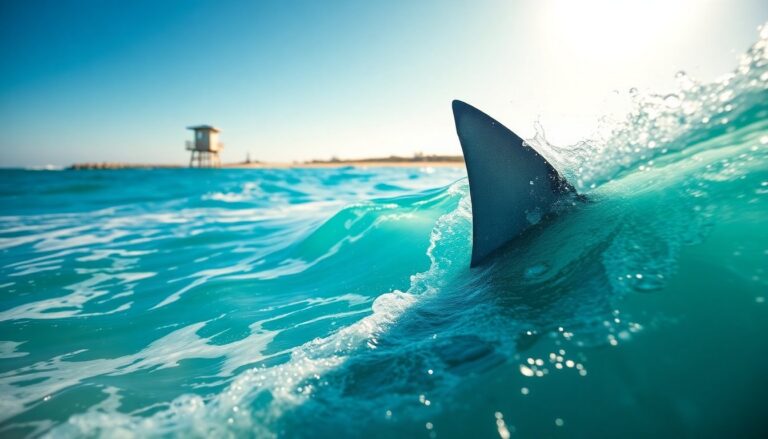
Australia has witnessed a troubling increase in shark attacks along its coastlines, with the latest incident occurring off the popular Coogee Beach in Sydney. A woman, believed to be in her 30s, suffered serious injuries to her leg and arm during the attack, which took place at 11:15 a.m.
on a Saturday. This incident is part of a broader pattern of shark-related fatalities and injuries that have raised concerns among coastal communities and authorities.
The recent surge in shark attacks has drawn attention to the need for increased awareness and safety measures.
According to the Australian Shark Incident Databasea collaboration between the Taronga Conservation Society AustraliaFlinders Universityand the New South Wales state governmentAustralia has averaged between two and three fatal shark attacks annually since 2000. However, the recent spate of incidents suggests a potential shift in this trend.
Recent Shark Attack Incidents in Australia
The woman injured off Coogee Beach was swimming when the attack occurred. Bystanders quickly pulled her from the water and provided initial first aid on the beach before paramedics arrived. She was then transported to a nearby rugby field, from where she was airlifted to a hospital in critical condition.
This incident follows a series of fatal shark attacks that have occurred since May 16. On that day, a 13-foot white shark fatally mauled 38-year-old spearfishing diver Steve Mattabonni off the coast of Perth, Western Australia. A week later, on May 24, 39-year-old spearfishing diver Michael Jensz suffered fatal head injuries in an attack on the Great Barrier Reef. Bull sharks had been spotted in the area. Most recently, on the previous Saturday, a 15-foot white shark killed Daniel Turpin, 35, as he was spearfishing with family off Michaelmas Island near Albany in Western Australia.
Historical Context and Trends
The increase in shark attacks coincides with a rise in popular water activities such as surfing and scuba diving. As Australia’s population grows and more people engage in these activities, the likelihood of encounters with sharks also increases. This trend highlights the importance of implementing effective safety measures and educating the public about potential risks.
In January, a 12-year-old boy died in hospital days after being mauled by a bull shark in Sydney Harbour. This incident, along with the recent attacks, underscores the need for heightened vigilance and preparedness. Last year, Australia recorded five fatal shark attacks, indicating a concerning upward trend in such incidents.
The Role of Conservation and Research
The Australian Shark Incident Database plays a crucial role in monitoring and understanding shark attacks. By collecting and analyzing data, researchers can identify patterns and develop strategies to mitigate risks. The partnership between conservation societies, universities, and government agencies ensures a comprehensive approach to addressing this complex issue.
Efforts to protect both humans and sharks are ongoing. Conservation initiatives aim to preserve marine ecosystems while promoting safe practices for water enthusiasts. Public awareness campaigns and technological advancements, such as shark detection systems, are essential components of these efforts.
As Australia continues to grapple with the challenges posed by shark attacks, collaboration between various stakeholders remains vital. By combining research, education, and innovative solutions, it is possible to create a safer environment for both coastal communities and marine life.
