Butchers reveal the crucial timing for salting steak to enhance flavor and texture, ensuring a perfect meal every time.
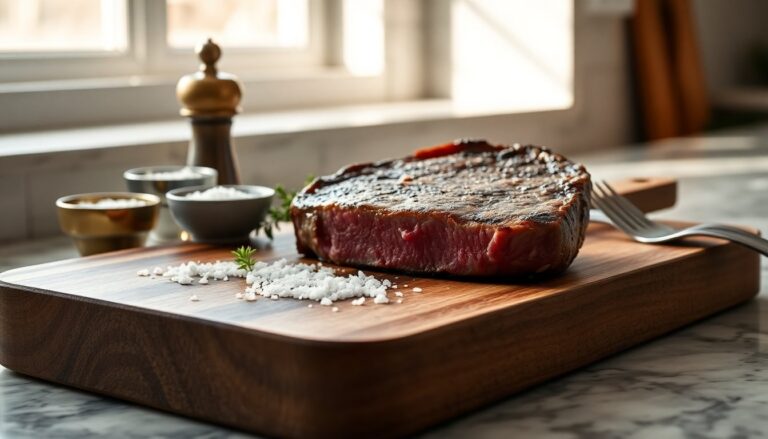
The art of cooking a perfect steak lies in the details, and one of the most important is the timing of your seasoning. The Ginger Pig butchers share their expert advice on when and how to salt your steak to achieve that coveted crisp, seared crust and juicy interior.
Steak is a beloved indulgence, especially on a Friday night or weekend eveningwhen you want to treat yourself to something flavorful and satisfying. While cooking a steak might seem simple—taking less than five minutes—proper seasoning is key to avoiding a tasteless, dry result.
The Science Behind Seasoning Steak
Salt is more than just a seasoning; it’s a fundamental component that enhances aroma, balances flavors, and tenderizes meat. When applied correctly, salt helps release the juices and creates that desirable crispy exterior. However, timing is everything, according to the experts at The Ginger Pig.
The butchers emphasize, “Don’t salt your steak until the very last minute. Season just before it goes into the pan—if you season in advance, it’ll draw moisture to the surface.” This moisture draw can leave your steak noticeably less succulent once cooked. When salt is applied too early, it penetrates deeply into the meat while pulling out excess juices, which can result in a less flavorful and drier steak.
Dry Brining: A Technique for Thick Steaks
For those preparing a thick steak, a technique known as dry brining can be particularly effective. This method involves salting the steak one to two days beforehand and then patting it dry prior to cooking. By seasoning the steak on all sides and placing it on a wire rack over a plate or tray, you can refrigerate it uncovered for 24 to 48 hours. This process helps to create a remarkable crust and ensures the entire steak is evenly seasoned.
The butchers advise against using table salt as it contains additives that can “taint the flavour of your steak“. Instead, they recommend using kosher salt for its delicate texture, which allows it to be crushed finely and ensures even seasoning. If you have flaky sea salt available, consider grinding it quickly in a pestle and mortar beforehand. While those flakes work perfectly for seasoning once something is cooked, they can create small gaps between the meat and the pan if applied too early.
Choosing the Right Salt for Your Steak
Selecting the right type of salt is crucial for achieving the best flavor. The Ginger Pig butchers suggest giving table salt a miss due to its additives, which can negatively impact the taste of your steak. Kosher salt is the preferred choice for its fine texture, which ensures even seasoning and excellent contact with the pan. For those who prefer a more gourmet touch, flaky sea salt can be ground to a finer consistency for optimal seasoning.
By following these expert tips, you can elevate your steak-cooking game and enjoy a perfectly seasoned, juicy, and flavorful meal every time. Whether you’re a seasoned cook or a beginner, mastering the art of seasoning is the key to culinary success.