Learn how a small change—replacing mayonnaise with olive oil—can transform your tuna sandwich into a lighter, more flavourful meal
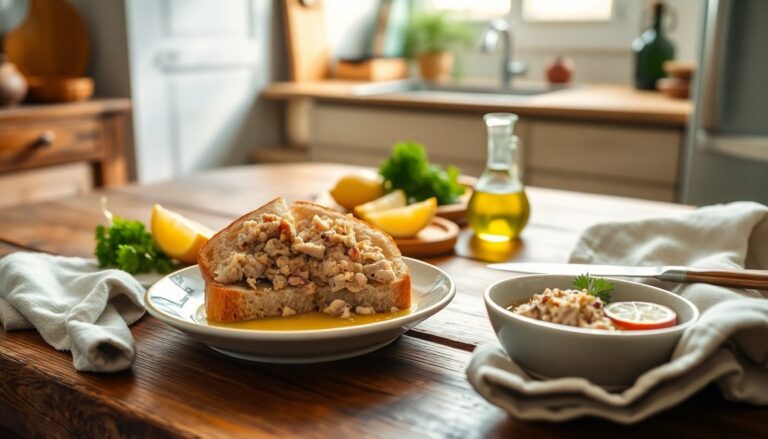
The classic tuna sandwich often relies on a generous spoonful of mayonnaise to bind the flakes together. While familiar and comforting, that approach can mask the intrinsic qualities of the fish and create a dense mouthfeel. By contrast, a modest drizzle of olive oil highlights the tuna’s natural savoury notes and produces a cleaner texture.
In this article you will learn why the swap works, how to balance proportions, and which varieties and mix-ins make the best results.
Before diving into technique, it helps to understand the ingredients. Tuna is an excellent source of protein and provides nutrients such as vitamin B3, vitamin D, calcium and magnesium.
Choosing the right type of tuna and the correct amount of olive oil matters, because the oil acts as both a flavour carrier and a light binder rather than a heavy filler. Treating the oil as an enhancer rather than a sauce produces a fresher finish that pairs well with a wide range of accompaniments.
Why olive oil works better than mayonnaise
Mayonnaise serves as a thick binder that can compress flakes into a homogeneous paste and introduce a greasy mouthfeel. Olive oil, on the other hand, performs differently: it gently coats individual flakes, allowing the natural saltiness and texture of the fish to remain noticeable. This approach improves contrasts in each bite and makes other ingredients more distinct. Using oil also reduces perceived heaviness, which can be especially welcome in warm weather or when serving the tuna in a salad rather than a sandwich.
How to prepare an olive oil–based tuna mix
Start with a well-drained tin of tuna to avoid pooling liquid that will dilute the oil. For each standard tin, drizzle approximately one to two tablespoons of good-quality olive oil. Gently fold the tuna with a spoon so the oil just coats the flakes instead of saturating them. The goal is to achieve a light, glossy finish: add a touch more oil only if the mixture looks dry. Overdoing the oil will defeat the purpose and create an unappealing slickness.
Seasoning and texture tips
With the oil as a base, season sparingly so the tuna remains the star. A pinch of salt and a grind of black pepper are often sufficient; a squeeze of lemon can brighten the mix further. To introduce texture, fold in small dice of cucumber, sweetcorn, or red onion—each element will stand out more clearly than when buried in mayonnaise. If you want a little creaminess without mayo, try a spoonful of Greek yogurt, but add it sparingly so you preserve the oil-forward character.
Choosing the right tuna and serving ideas
The preferred option for this preparation is Albacore, a larger species with pale flesh and a firm texture. Albacore’s subtle flavour allows the olive oil to shine through without competing with robust fish oils. Chunk light or solid white varieties are usable, but they may be stronger in flavour or softer in texture, which can change the balance. Serve your olive oil–dressed tuna on crusty bread, as a light salad topping, or in a stuffed tomato for an elegant, simple meal.
Practical serving suggestions
For sandwiches, layer the tuna on toasted bread with fresh greens such as arugula or watercress to add a peppery counterpoint. In salads, combine the tuna with mixed leaves, halved cherry tomatoes and a few capers to enhance the savoury profile. When packing for lunch, keep the dressing separate until ready to eat if you prefer crisp bread; otherwise the lightly oiled tuna will hold well and deliver a fresher result than a heavy mayo filling.
In short, swapping out mayonnaise for a measured amount of olive oil is a small technique change that yields a noticeable improvement in clarity of flavour and texture. Whether you aim for a lighter weekday lunch or a more refined sandwich for guests, this method keeps preparation simple while making every ingredient more distinct. Try the adjustment once and you may find it becomes your new default for tuna sandwiches and salads.