A ram's horn snuff box once owned by Angus MacKintosh of Farr has been placed on long-term loan at the West Highland Museum, bringing fresh context to the Battle of Culloden
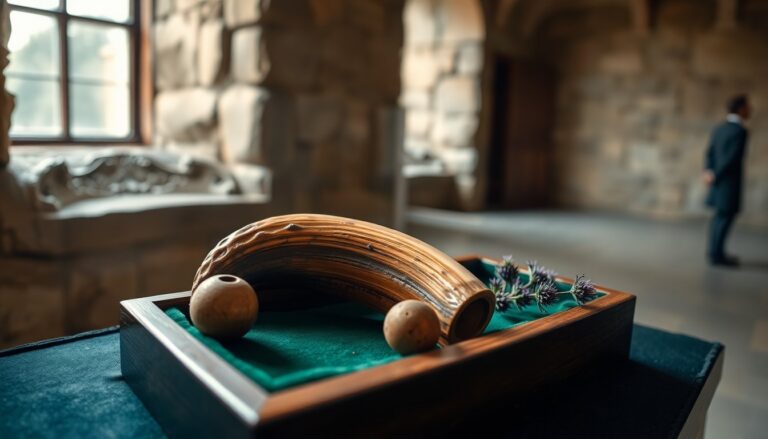
Published 19th Apr 2026. The West Highland Museum in Fort William has taken into its collection a remarkable relic from one of Scotland’s most pivotal conflicts. The object, a finely worked ram’s horn snuff box, is now on a five year loan and arrives with a written account that links it directly to the aftermath of the Battle of Culloden.
The small container, described historically as a snuff mull, belonged to Angus MacKintosh of Farr, a captain in the Dunmaglass regiment who was among the roughly 1,500 Jacobite fighters killed on the moor. Alongside the artifact, the museum received an 1830 handwritten note tracing the object’s journey from battlefield recovery to private hands, offering visitors more than an item to view: it brings a human narrative and chain of custody that enriches the museum’s Jacobite holdings.
The artefact and its symbolism
The visible features of the piece are striking: the horn body is capped by a silver lid engraved with the motto of Clan Chattan, reading Do not touch the cat without a glove. That inscription functioned as a deliberate emblem, a warning that the clan was fierce in defense when provoked.
As an object the snuff mull combines personal use with clan identity, making it both a domestic item and a badge of belonging for a Highland officer who fought on the Jacobite right wing under leaders like Alexander MacGillivray.
Material and motif
The combination of horn and silver is typical of 18th century Highland portable objects, and the engraved motto serves as a potent cultural marker. The ram’s horn snuff box represents how everyday items carried public meaning and private memory, linking the wearer to clan allegiances and to the violent history of the 1745 rising under Bonnie Prince Charlie.
Provenance and the human story
The handwritten note accompanying the box provides a clear chain of custody. It states that an English soldier recovered the item on the battlefield and that it later passed into the hands of James MacKintosh, an innkeeper at Glamis. From there it was handed to Lieutenant James MacKintosh of the 42nd Regiment, who presented it to Simon Fraser MacKintosh, a legal writer and historian of the MacKintosh family. These documented transfers help establish authenticity and link the object to the wider story recorded in the Farr manuscript.
Witness accounts preserved
The Farr manuscript contains a vivid childhood memory from James MacKintosh, son of Angus, who had been at school at Petty north of Culloden. On the day of the battle, James and several schoolmates, including the son of Lord Lovat, left classes to watch the fighting. The account memorably describes the moment they saw the men march across the moor with a look of despair, before the boys fled home in fright after witnessing the first onslaught. That eyewitness fragment adds emotional depth to the physical object now displayed.
Museum context and future plans
The West Highland Museum already curates several Jacobite items, including a copy of Bonnie Prince Charlie original death mask and textiles believed to be associated with Flora MacDonald. The addition of the snuff box strengthens the museum’s narrative about the rising and its consequences, expanding the interpretive possibilities for visitors who come for history or because of popular culture interests such as the Outlander phenomenon.
Exhibition and fundraising ambitions
Chris Robinson, the museum vice-chairman, commented that the institution is exceptionally fortunate to have the object on long-term loan. The board is using acquisitions like this to underline the museum’s need for more exhibition space and improved visitor facilities. Trustees hope to secure multimillion pound funding for a redevelopment project that will allow the museum to display such items with fuller historical context and better access for the many visitors who travel to the Highlands for Jacobite heritage.
For visitors and researchers alike, the ram’s horn snuff box is more than a small antiquity: it is a material entry point into the lived experience of clans, the chaos of Culloden, and the pathways by which objects move from battlefield to attic to museum display. Its arrival in Fort William invites renewed public interest and scholarly attention to the human stories intertwined with Scotland’s turbulent past.