

Paul Page says female visitors met the former duke repeatedly at Buckingham Palace, officers were not given names and he has contacted Thames Valley Police to share information
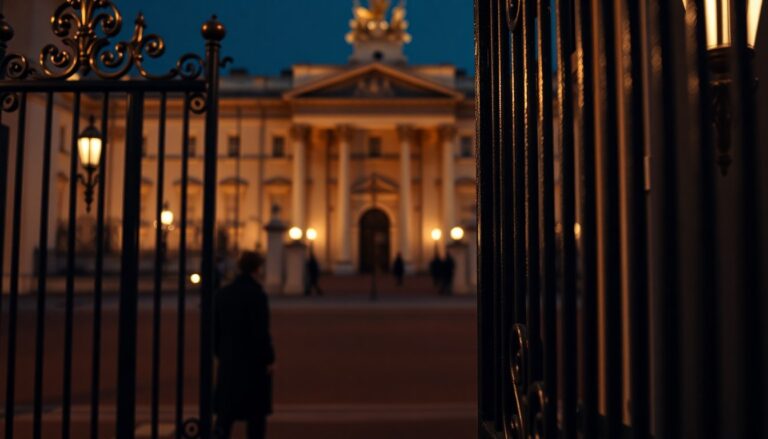
Former protection officer alleges repeated unlogged visits to Buckingham Palace
A former royal protection officer has renewed scrutiny of long-running questions about Andrew Mountbatten-Windsor and his links to the late Jeffrey Epstein. Paul Page, who says he served on protection duties between 1998 and 2004, told media outlets that women attended Buckingham Palace to meet the former duke several times per week.
He alleges those visitors were not entered by name into official logs and that frontline officers were instructed not to ask.
The claims were made in interviews with multiple news organisations. They add to previous reports and public concern over the nature of the former duke’s contacts with Epstein.
The timing and frequency of the visits, if verified, would deepen questions about access to royal residences during the period Page describes.
Page’s account is presented as testimony from a former insider rather than documentary evidence. Independent corroboration and access records would be required to verify his assertions.
Journalistic standards require such verification before drawing definitive conclusions.
Reporting is continuing. This article will be updated as further details or official responses become available.
Continuing the previous account, Mr Page said he provided the information to police. Thames Valley Police is reported to be among the forces examining claims connected to Andrew Mountbatten‑Windsor. The former duke has repeatedly denied any wrongdoing in relation to Jeffrey Epstein.
What the former officer says he saw
The former protection officer described repeated after‑hours arrivals to royal residences. He said some visits were not recorded on standard logs maintained by protection teams. According to his account, procedures varied depending on which member of the royal household hosted guests.
He told investigators that certain entries were handled informally and that escorts sometimes omitted routine sign‑in steps. The officer said this created record gaps for visits occurring outside normal working hours.
Mr Page also said he raised concerns internally before contacting police. His account is now part of inquiries reported to be under review by multiple forces.
Officials contacted for comment have not provided further details. The article will be updated as official statements or additional documentation become available.
According to Mr Page, palace security were alerted in advance that a female visitor would arrive at a set time but received no identifying details. He said footmen might meet a woman at the gate and either allow her unescorted access to the palace or be sent to collect and lead her to the duke. Mr Page said the absence of names in arrival logs prevented officers from verifying who was entering. He described that omission as contrary to normal security protocol.
Police contact and official inquiries
Mr Page told police about the entry arrangements and the incomplete logs, the person familiar with his account said. Local forces have acknowledged reviewing material related to the wider investigation and notified relevant departments. Officials declined to comment on operational details. Independent inquiries and internal reviews were reported to be assessing whether standard visitor checks were followed, and whether record-keeping gaps posed wider security risks. The article will be updated as official statements or additional documentation become available.
Mr Page told police his recollections because he judged the details could bear on ongoing inquiries. He cited contact with Thames Valley Police, which is reported to be examining a range of allegations linked to the former duke. The Metropolitan Police has also been approached for comment over wider claims emerging from the so-called Epstein Files, including communications that suggest some meetings were arranged at royal residences.
Why the detail matters
Specific recollections can help investigators establish timelines and corroborate other testimony. They can also identify potential witnesses and documentary records, such as logs or correspondence. From the patient’s perspective, and more broadly for alleged victims, such corroboration can shape decisions about reporting and support.
Evidence of repeated patterns or matching entries across independent sources may prompt investigators to broaden or narrow the scope of inquiries. According to evidence-based investigative practice, even seemingly minor details can link separate allegations or point to new lines of inquiry.
The development follows earlier accounts that palace security received advance notice of a visitor but lacked identifying details. The new disclosures could influence whether files are re-examined or whether additional statements are sought.
The article will be updated as official statements or additional documentation become available and as authorities disclose any changes to the status of their inquiries.
The procedural claim — that officers were not permitted to know the names of visitors — raises immediate questions about routine security record-keeping and how exceptions were logged and authorised. Mr Page contrasted those arrangements with the protocols applied when the former queen and the late Duke of Edinburgh hosted guests after hours, saying full visitor details were provided to protection teams on those occasions. He told reporters that he and some colleagues often avoided probing or challenging arrangements because they feared losing their posts, implying a culture of deference around certain senior figures.
Context and wider implications
Who: the claim originates with Mr Page, a protection officer whose account has been given to investigators. What: it concerns limits on what officers were allowed to record about visitors and the handling of exceptions. Where and when: the account relates to duty-room practice within the protection detail at relevant royal residences and is presented in the context of ongoing inquiries. Why it matters: gaps or inconsistencies in logs could affect the scope and outcome of those inquiries and undermine public confidence in oversight of official residences.
The contrast in treatment described by Mr Page underscores a potential inconsistency in compliance and documentation. If some after-hours visits were logged in full while others were not, that differential handling warrants scrutiny. From an accountability perspective, clear, contemporaneous records are a basic control in security operations. Weaknesses in those controls can impede investigations and obscure who authorised exceptions.
Dal punto di vista of operational staff, the possibility of career consequences may deter scrutiny of unusual arrangements. That dynamic can produce a workplace culture in which deference limits upward reporting and challenge. The claim therefore raises not only technical questions about records, but also questions about organisational culture and safeguards for staff who raise concerns.
How authorities will weigh these claims remains contingent on evidence collected by investigators. The matter may prompt reviews of logging practices, authorisation chains and independent oversight of visitor protocols at protected sites. The public record will be updated as official statements or additional documentation become available and as authorities disclose any changes to the status of their inquiries.
Responses and denials
Representatives linked to the former royal figure have issued denials in response to the recent disclosures. Statements described the reported encounters as inaccurate or mischaracterised, and called for evidence-based examination of the documents now in circulation.
Lawyers and spokespeople for other parties named in media reports have likewise rejected specific allegations, while urging caution until formal investigations clarify the record. Independent commentators have stressed the difference between unverified material disclosed in leaked files and evidence admitted in court or submitted to oversight bodies.
The disclosures prompted renewed calls from some U.S. lawmakers for voluntary testimony before congressional committees. Advocates for greater transparency say legislative hearings could compel documentary evidence and sworn statements that public reporting alone cannot produce.
At the same time, several media outlets have identified women they say arranged or attended meetings at the royal residence, describing some as models from multiple countries. Those reports rely largely on the documents and messages made public in the leaked files and on unnamed sources.
Authorities and official offices involved in related inquiries have not confirmed all details in the media accounts. The story will be updated as official statements, additional documentation or changes in the status of investigations become available.
Representatives for the former royal have repeatedly denied allegations of sexual misconduct and any criminal wrongdoing linked to Jeffrey Epstein. Official spokespeople have declined to accept responsibility for the actions detailed in multiple reports and have noted that formal comment typically emphasises ongoing inquiries and the right of individuals to respond to allegations. Mr Page has said he reported information to police because he believed it could assist investigators.
As the inquiries continue, investigators will examine witness statements, contemporaneous records and any documentary evidence that might corroborate claims about visits to royal residences and the handling of arrivals. The account from a former protection officer contributes an operational perspective to questions about access, record-keeping and accountability within royal settings. The story will be updated as official statements, additional documentation or changes in the status of investigations become available.
