A practising vet explains why GDV must not be ignored and how quick action, diagnosis and preventive steps can save a dog’s life
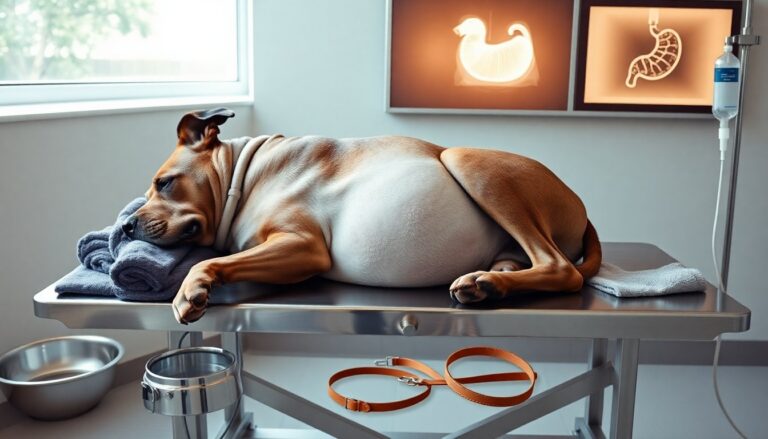
The risk posed by GDV — commonly called bloat — catches many dog owners off guard, yet it unfolds rapidly and can be fatal without prompt intervention. A qualified veterinary nurse known as Jade has been raising awareness about this condition on social channels to stress that owners should not “wait it out” when certain warning signs appear.
The purpose of this article is to explain, in clear terms, what GDV is, how it progresses, and what immediate steps owners should take to give their pet the best chance of recovery.
Understanding GDV gives owners a practical advantage: recognising early cues and knowing when to act can mean the difference between successful treatment and irreversible organ damage.
Throughout this text you will find concise descriptions of typical symptoms, the diagnostic process such as the role of an abdominal x-ray, and preventive strategies including feeding changes and surgical options. Highlighted terms appear in bold while specific definitions are presented in italics to aid clarity.
What is GDV and how it develops
GDV stands for gastric dilatation volvulus, a condition in which a dog’s stomach expands with gas and then twists on itself. When the stomach rotates it can seal both the entrance and the exit, trapping food and swallowed air inside. As digestion continues, more gas is produced and the stomach swells further, creating intense discomfort and increasing pressure within the abdomen. This pressure can impede blood flow to the stomach and other organs, rapidly leading to shock and potential organ failure if surgical relief is not obtained quickly.
Recognising the signs and seeking diagnosis
Typical symptoms to watch for
Owners should be alert for a visibly swollen or distended abdomen that becomes progressively larger, along with repeated attempts to vomit that produce nothing but froth. Dogs often stand or pace, appear restless, and may keep looking toward their midsection. You might notice dry retching or drooling of white foam as the animal struggles to bring anything up because the stomach outlet is blocked. Additional red flags include heavy panting, pacing, difficulty breathing and sudden collapse. These signs usually escalate quickly, and experts advise that from first visible symptoms you may have only one to two hours before emergency surgery is required to prevent permanent damage.
How vets confirm GDV
When a dog reaches a clinic with suspected GDV, a veterinarian will often perform an immediate physical assessment and, where possible, an abdominal x-ray to confirm the twist and degree of dilation. In critically ill patients, life-saving measures such as stabilisation with intravenous fluids and pain relief may begin before imaging is completed. After surgery, the patient typically remains hospitalised for monitoring to detect complications like peritonitis — an infection inside the abdomen — and to ensure the stomach is stable before discharge.
Treatment options and steps to reduce risk
The essential treatment for GDV is surgical: the stomach must be untwisted and gas relieved, often followed by a procedure to secure the stomach to the abdominal wall to minimise recurrence. This operation, sometimes referred to as a gastropexy, can be performed as a preventative measure too. Recovery usually requires a day or two in hospital where the veterinary team monitors for ongoing bloating, infection and organ function, discharging the dog only when they are confident in the animal’s steady improvement.
Practical prevention strategies
Practical changes at home can lower the chance of GDV. Instead of one or two large meals, split food into three or four smaller portions throughout the day and use a slow feeder bowl to prevent rapid ingestion and the swallowing of excess air. Allow at least two hours between eating and vigorous exercise; similarly, consider a slow drinking bowl to minimise gulping of water. For dogs identified as high risk because of breed, body shape or family history, discuss the possibility of a preventative gastropexy with your veterinarian — this is often carried out during routine procedures like neutering.
Final considerations for owners
If you suspect your dog has GDV, do not delay: contact an emergency veterinary service immediately and describe the symptoms. Time is critical, and early transfer to a surgical facility can be life-saving. Awareness, quick recognition of the signs, and practical feeding and exercise adjustments are the best tools owners have to reduce the risk and improve outcomes should this frightening condition occur.