King Charles and Queen Camilla toured New York, laid flowers at the 9/11 memorial, met victims' families and drew reactions after a public exchange involving President Donald Trump and a renewed call for the Koh-i-Noor diamond's return
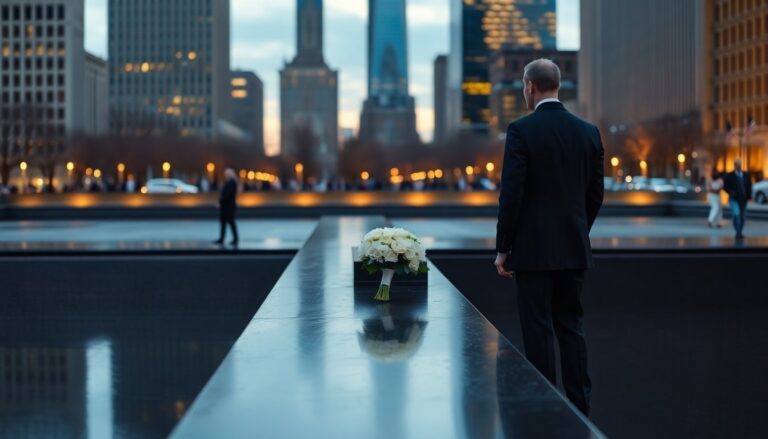
The visit of King Charles and Queen Camilla to New York mixed ceremonial solemnity with moments of public engagement. The royal couple paused at the 9/11 Memorial, laid a bouquet of white flowers at the memorial pool and spent time speaking with relatives of those who perished.
Observers noted the careful choreography and the visible security that accompanied the stop, underscoring how state visits blend public mourning with formal protocol. The trip also included a range of civic and cultural appearances designed to showcase links between the United Kingdom and local communities in New York.
Beyond ceremonial stops, the visit produced off‑stage diplomatic ripples. At several events the pair met community organisers and political figures, and the public programme featured exchanges that reached national headlines. The itinerary combined formal diplomacy with grassroots encounters: visits to community projects, a trade event in Midtown, and public appearances that drew both supporters and protesters.
Throughout, the royal couple remained mindful of constitutional neutrality, the principle that requires members of the Royal family to avoid partisan political endorsements.
Tributes and community engagements in New York
The royals’ time in the city placed particular emphasis on remembrance and local outreach. At the 9/11 Memorial they met around 90 guests, including museum representatives and bereaved family members, and laid flowers at the reflecting pool as a sign of respect. They also visited Harlem Grown, a community organisation focused on health and education, where the King presented a gift of honey produced at Highgrove House. That gesture underlined the personal and symbolic nature of many royal gifts, reinforcing ties with grassroots initiatives while drawing warm reactions from some neighbourhood residents.
Public reception and security
New Yorkers gathered to greet the royal visitors with a mixture of welcome and protest. Supporters appeared outside events, some waving small flags and posing for photographs, while others held placards calling for reparations and political change. Authorities implemented extensive security measures, from road closures to rooftop posts, to protect the schedule and the crowds. Iconic civic landmarks responded too: the Empire State Building lit up in red, white, blue and gold as a visual salute to the visit, a reminder of how state visits ripple into the city’s cultural imagery.
Politics, protocol and a high-profile exchange with the US president
A widely reported moment from the trip involved President Donald Trump suggesting that the King agreed with him on preventing Iran from acquiring a nuclear weapon. The comment raised eyebrows because members of the royal family are expected to maintain political neutrality and not publicly align with foreign policy stances. Buckingham Palace responded by noting the King’s awareness of his government’s established position on nuclear non-proliferation but did not amplify the president’s claim. The exchange highlighted the fine line royals must walk between diplomatic warmth and formal impartiality.
Address to Congress and international responses
During his address to a joint session of the US Congress, the King spoke about shared security commitments and called for unity in support of Ukraine, a speech that prompted public praise from Ukrainian President Volodymyr Zelensky. The remarks tied the visit into ongoing geopolitical discussions and underscored the symbolic weight of a monarch addressing a foreign legislature. For many observers, the speech reinforced the transatlantic relationship even as headlines focused on the more contentious offhand remarks and exchanges that accompanied the state-level hospitality.
Gifts, the Koh-i-Noor debate and next stops
Several symbolic items exchanged during the visit drew attention. The King presented a small bell from the decommissioned submarine HMS Trump to the US president, while he gave honey from his estate to community organisers — gestures intended as tokens of goodwill. Separately, New York Mayor Zohran Mamdani said he would urge the King to consider returning the Koh-i-Noor diamond to India if he had a private conversation, reviving a long-standing debate over the jewel’s provenance. The mayor later met the King at the memorial, though officials did not confirm whether the conversation touched on the diamond.
Final movements in the US and beyond
The pair’s schedule included a final farewell in the Washington area and community-focused events in Virginia before the King travelled on to Bermuda, marking his first visit there as monarch to a British overseas territory. The remainder of the itinerary balanced state protocol with outreach, reflecting how modern royal tours aim to combine ceremonial duties with practical diplomacy and local engagement. As reports and reactions circulated, the visit became both a moment of remembrance and a platform for renewed conversations about history, heritage and international relations.