UK condemns strikes while US escorts commercial vessels through the Strait of Hormuz as diplomatic pressure mounts on Iran to preserve the fragile ceasefire
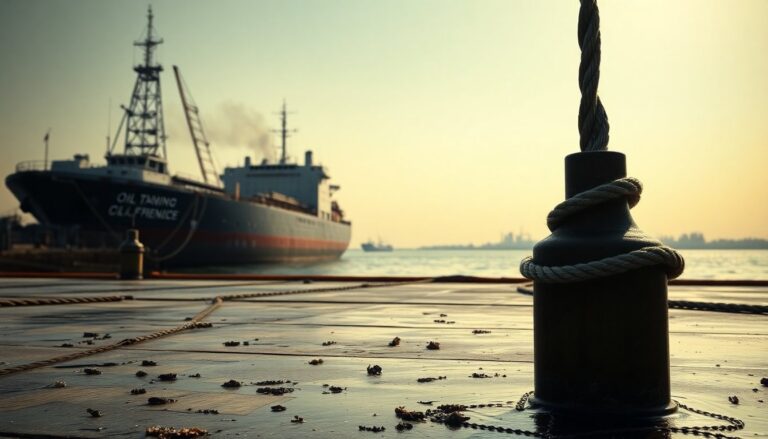
The Gulf region has seen a renewed spike in hostilities after a wave of drone and missile activity that struck maritime and onshore targets in the United Arab Emirates. Governments and shipping firms reported damage to vessels and a significant fire at the oil storage hub of Fujairah, prompting swift reactions from allies and military deployments to protect commercial traffic.
The situation has again highlighted the strategic importance of the Strait of Hormuz, a narrow waterway through which roughly 20% of the world’s oil and liquefied natural gas typically transits, and raised fears about wider disruption to energy supplies and global trade.
The UK and the US have publicly condemned the attacks while urging restraint and renewed diplomacy.
As the crisis unfolded, officials described thousands of ships and seafarers affected by the impasse. An estimated 2,000 vessels were reported stranded at one point, with concerns over the welfare of around 20,000 seafarers caught in the standoff.
Markets reacted quickly: benchmark Brent crude jumped above $115 a barrel after reports of the Fujairah hit. Against this backdrop, the US announced operations to escort commercial vessels out of the Gulf, a move framed as a humanitarian and security initiative intended to reopen a vital commercial artery without further escalation.
Military actions and defensive measures
US forces described a series of engagements intended to neutralise threats to shipping. Military briefings said defensive strikes targeted small Iranian vessels and intercepted inbound missiles and drones that posed immediate risks to merchant ships. Statements from Washington vary slightly in the numbers cited: one account referenced the destruction of six small boats while another used the term seven fast boats. Admiral Brad Cooper, the senior commander overseeing operations in the region, emphasised that American forces had a clear operational edge and had applied a broader protective package rather than just traditional convoy escorting. The US also maintained a separate blockade of Iranian ports to limit outbound oil shipments as part of broader pressure on Tehran.
Diplomatic reactions and official warnings
International leaders responded with a mix of condemnation and calls for negotiations. In London, Prime Minister Sir Keir Starmer condemned the attacks on the UAE and urged Tehran to enter talks that would preserve the fragile ceasefire and prevent a return to wide-scale conflict. The UK underlined its solidarity with Gulf partners and pledged continued support for regional defence. At the same time, Washington framed its maritime actions as a necessary step to protect neutral commercial traffic and to discourage further aggression.
UK stance and diplomatic push
Sir Keir Starmer stressed that stability in the Gulf has direct implications for national and international security, urging Iran to engage meaningfully in diplomacy to ensure the current pause in broader hostilities holds. The British government portrayed its role as both a diplomatic partner and a security guarantor for allies in the Gulf, calling for an immediate halt to escalatory strikes and for negotiations aimed at a long-term settlement.
Iranian position and warnings
Tehran rejected some US claims and reiterated that all commercial passage through the Strait of Hormuz required its permission, framing control of the waterway as a sovereign security issue. Iranian commanders warned foreign military forces not to approach the strait, saying they would be targeted if they did so. The Iranian stance complicates efforts to restart normal traffic and increases the risk of miscalculation should more forces move into the area.
Impact on shipping, energy markets and next steps
Commercial operators reported both disruption and limited successes in resuming movement. Shipping firm Maersk said that one US-flagged vessel had completed a transit under American escort and that crew reported no injuries. Still, reports of fire damage to tankers tied to local oil infrastructure at Fujairah and explosions on other ships raised alarm. Energy markets reflected that unease with rapid price spikes, while regional officials warned that any further attacks could provoke a right of self-defence and wider international responses. The US initiative called Project Freedom was described as an effort to free trapped vessels and crew; here Project Freedom is used as a name for the protection and transit operation rather than a formal treaty or standing alliance.
Outlook and what to watch
The immediate priority for governments and commercial stakeholders is to avoid a collapse of the ceasefire and to restore safe, predictable shipping through the Strait of Hormuz. Diplomatic channels remain the most credible path to de-escalation: leaders have urged negotiation and restraint even as military assets repositioned to protect maritime traffic. Observers will watch for further Iranian statements on transit rules, additional military engagements at sea, and any coordinated international response to protect neutral shipping lanes. The balance between military deterrence and renewed diplomacy will determine whether the strait reopens without further damage to people, infrastructure and global markets.