A Diana memoir claim triggers a fierce palace denial as the king prepares an AI summit and the royal duo heads to the Isle of Bute.
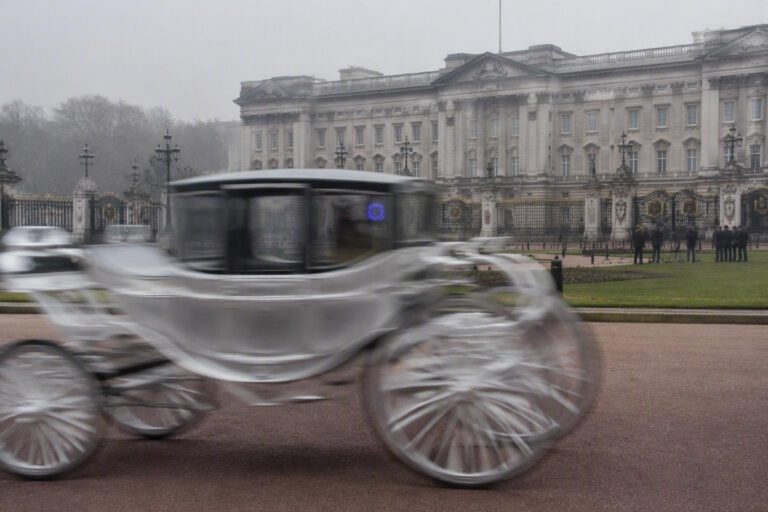
Next week the Spencer family will release Swan Song: Diana, My Sister a memoir that alleges Prince Charles whispered, “we’ll forget her soon enough” shortly after the tragic 1997 car crash that claimed Diana, Princess of Wales. The passage, which describes a “stream of anger” on the phone, has sparked an unprecedented defensive statement from Buckingham Palace which argues that grief can cloud memory and that the quoted language is out of character for the monarch.
The palace’s response reads, “While we do not comment on books as a matter of principle, His Majesty is mindful that the pain of fraternal grief can cloud reason, affect judgment and colour memory in ways others do not recognise, even many years after such a loss.” By emphasizing the “pain of fraternal grief,” the statement seeks to cast doubt on Earl Spencer’s recollection while avoiding direct engagement with the alleged quote.
Memoir claim and palace rebuttal
According to the memoir, Earl Spencer confronted the then-Prince of Wales over whether Princes William and Harry—aged 15 and 12 at the time—should be forced to walk in their mother’s funeral procession. Spencer writes that Charles replied with a hiss, “Rest assured, we’ll forget her soon enough.” Former royal communications secretary Julian Payne told the BBC that the alleged phrasing was “just not language that I recognise,” underscoring the palace’s view that the excerpt misrepresents the king’s character during a period of intense public scrutiny.
The controversy resurfaces old wounds from 1997, when the royal household faced criticism for a perceived lack of empathy. It also echoes the 2021 confrontation between the monarchy and the Duke and Duchess of Sussex, when Queen Elizabeth reminded critics that “recollections may vary.” Both episodes illustrate how personal memories become contested public narratives.
King Charles leads AI gathering at Dumfries House
Amid the literary storm, King Charles will host a high-profile meeting of artificial-intelligence CEOs at Dumfries House in Ayrshire on Thursday. The summit will bring together representatives from OpenAIAnthropicNvidia and Google DeepMind alongside AI minister Kanishka Narayan. In his opening remarks, the king is expected to frame AI as both “intriguing and deeply concerning,” urging industry leaders to ensure the technology serves humanity, community and the natural world.
The monarch will stress that decisions made now will shape the world inherited by future generations, and will ask participants to consider safeguards against misuse and job displacement. This AI dialogue arrives at a moment when governments worldwide grapple with the rapid pace of machine-learning advances.
William, Catherine and Harry’s engagements on the same day
Simultaneously, the Duke and Duchess of Rothesay—Prince William and Catherine—will travel to the Isle of Bute for their first official Scottish outing. Their itinerary includes watching a shinty match, visiting a community-owned pub and learning about local environmental projects, highlighting the royal family’s focus on grassroots initiatives.
Later that day, Prince Harry is slated to appear at the inaugural Invictus Awards ceremony, marking his most visible public engagement since returning to the United Kingdom. The event will honor the resilience and spirit of injured service personnel. Although it remains unclear whether Meghan will accompany him, the appearance signals the Sussexes’ re-integration into the national spotlight, even as a recent royal letter clarified that they are not undertaking official duties.
With a memoir controversy, an AI summit, and multiple high-profile engagements compressed into a single day, the royal calendar is unusually crowded. Observers will watch to see whether the palace’s firm rebuttal can contain the fallout from Spencer’s book, or if the story will become another chapter in the ongoing narrative of a family navigating public scrutiny and modern challenges.