

New specialist courts aim to make rape trials faster, safer and more survivor‑focused across England and Wales.
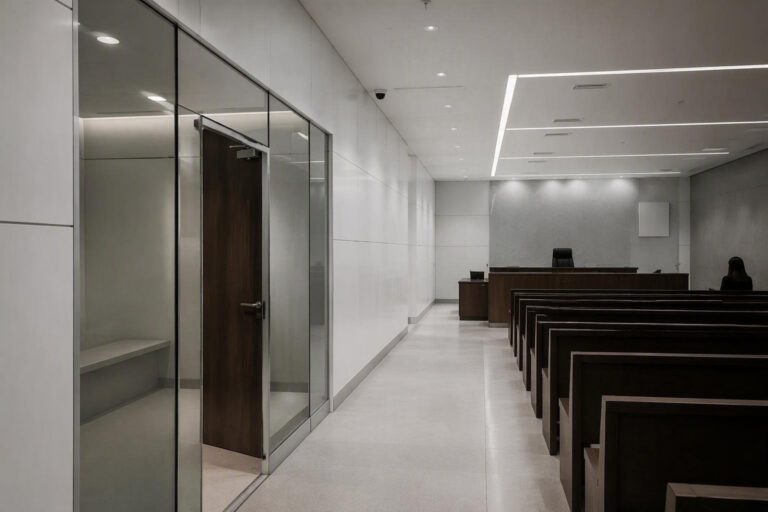
The government has announced a sweeping reform of the criminal justice system: over the next two years every crown court in England and Wales will host at least one specialist courtroom designed exclusively for rape and other sexual offence cases.
The move, described by Prime Minister Andy Burnham as a chance to “rebalance the scales of justice and put victims first”, seeks to address years of criticism over delayed hearings, intimidating court layouts and a lack of survivor-centred support.
Physical layout and technology
Each designated courtroom will be fitted with private entrances and dedicated waiting areas, allowing alleged victims to remain distinct from defendants throughout the process. Where the building’s architecture permits, these separations will be permanent; elsewhere courts will adapt where possible.
Testimony can be given from a separate room via video link and survivors will be able to watch the proceeding remotely, reducing the trauma of facing an accused in person. The design mirrors recommendations from survivor advocacy groups that have called for a more humane courtroom environment for far too long.
Support services and funding
The Ministry of Justice has earmarked roughly £23 million for the initiative. A core element of the budget is compulsory trauma-informed training for all court staff, ensuring they understand the psychological impact of sexual violence and can interact sensitively with survivors. In addition, each survivor will be assigned a single point of contact – a dedicated liaison who will guide them through each stage of the trial, from first hearing to final judgment. These measures aim to replace the current patchwork of support with a consistent, nationwide standard.
Political drivers and reactions
The reform follows a highly publicised campaign by Labour MP Charlotte Nichols who waived her right to anonymity in March and recounted waiting more than 1,000 days for her case to reach court. Her disclosure of a 1,088-day ordeal highlighted how protracted delays can deepen victim trauma and even force withdrawals. Nichols’s bravery was praised by the government as a catalyst for change, and her story now serves as a benchmark for the new system’s ambition.
Government statements and Labour agenda
Burnham emphasized that trials will receive a fixed date from next month, ending the practice of placing cases on floating lists that often stretch timelines indefinitely. He warned that “prosecution rates for rape remain shamefully low” and stressed that speedy, survivor-focused proceedings are essential to restoring public confidence. Labour’s 2024 manifesto pledges to halve violence against women and girls within ten years, linking the specialist courts to a broader strategy of prevention and education.
Opposition and advocacy group comments
The Conservative opposition, represented by shadow justice secretary Nick Timothy welcomed the effort to tackle delays but warned against any erosion of the right to a jury trial. He insisted Labour must ensure courts sit year-round and clear backlogs without undermining jury-based justice. Meanwhile, charities such as Rape Crisis England and Wales hailed the plan as a “significant step forward” and praised the inclusion of trauma-informed training and single-point contacts as overdue reforms.
Early impact and case illustrations
Beyond policy, real-world stories illustrate the urgency of the changes. The Salford Survivor Project reported last year that court backlogs were at a record high, leaving many victims with severe mental-health repercussions. In a separate incident, a woman who said she was assaulted by a taxi driver on her 21st birthday recounted filing a report in early 2022, testifying in December 2023, only to have the case postponed to September 2024 because the judge fell ill. She eventually dropped the prosecution, citing the exhausting delays, while the Crown Prosecution Service declared insufficient evidence without her testimony.
Charlotte Nichols’s testimony and its ripple effect
Nichols’s public account also highlighted flaws in the proposed Court and Tribunals Bill which seeks to limit jury trials to offences carrying a likely prison term of three years or more. She accused former Justice Secretary David Lammy of using victims as a “cudgel” to push the legislation, arguing that such restrictions could further marginalise survivors. Her attacker was acquitted in criminal court but later ordered to pay compensation after a successful civil claim, underscoring the fragmented nature of justice that the specialist courts aim to streamline.
Collectively, these developments indicate a decisive shift toward a judicial system that recognises the unique needs of rape survivors. By integrating dedicated spaces, technology, specialist staff and fixed timetables, England and Wales hope to transform a historically beleaguered process into one that truly serves justice.
