

Florida's political scene is in flux after unexpected primary results. Can Democratic candidates unite to challenge the status quo?
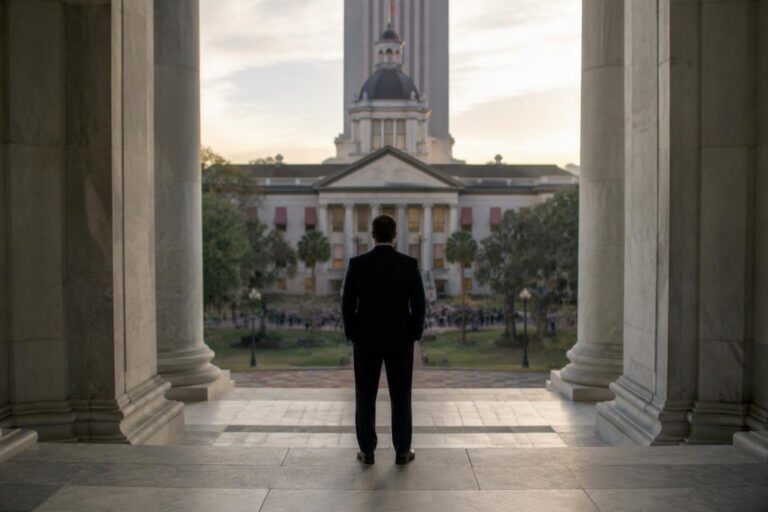
The political landscape in Florida is undergoing significant transformation, with recent primary results suggesting potential shifts in power dynamics. While the state has long been known for its political eccentricities the 2026 election cycle is presenting unique opportunities for Democratic candidates to make substantial gains.
From bizarre scandals involving elected officials to surprising victories by underdog candidates, Florida’s political scene is more unpredictable than ever. The question remains: can Democratic candidates capitalize on these developments to create meaningful change in a state that has increasingly leaned Republican?
Unconventional Victories Challenge Political Norms
One of the most notable developments in Florida’s political scene is the victory of Angie Nixon in the Democratic primary for state representative. Defeating a well-funded opponent with national party backing, Nixon’s campaign demonstrated the power of grassroots organizing and local support.
Her victory suggests that traditional political advantages may not guarantee success in Florida’s evolving political environment.
Nixon’s campaign strategy, which relied on a network of small volunteer groups across the state, proved effective in mobilizing voters. This approach contrasts with more conventional campaigns that depend heavily on fundraising and media advertising. The success of Nixon’s method raises questions about how future campaigns in Florida might be structured, particularly for Democratic candidates seeking to challenge Republican strongholds.
The Paradox of Political Engagement
While Florida’s political scene is producing unexpected results, there’s a broader phenomenon at play in American politics: the rise of hyperpolitics. This term, popularized by political historian Anton Jäger describes a political environment where public movements surge quickly but often fail to produce lasting change. The lack of stable political institutions to channel this energy contributes to the fleeting nature of many political movements.
In Florida, this dynamic is evident in the rapid rise and fall of political figures who gain attention through controversial statements or unconventional campaigns. While these figures may capture public imagination temporarily, they often lack the organizational support needed to translate that attention into sustained political influence. This creates a paradox where political engagement feels intense but ultimately ineffective in changing underlying power structures.
The Challenge of Unity for Democratic Candidates
For Democratic candidates in Florida, the key to success may lie in their ability to unite behind common goals despite ideological differences. The primary victories of candidates like Nixon suggest there’s an appetite for progressive policies, but the party will need to present a cohesive vision to appeal to a broader electorate in the general election.
One potential area of collaboration is in addressing Florida’s unique challenges, from environmental concerns to economic development. By focusing on issues that resonate with a wide range of voters, Democratic candidates may be able to bridge ideological divides and present a united front against Republican opponents. However, this will require strategic coordination and a willingness to prioritize collective success over individual agendas.
The coming months will be crucial in determining whether Florida’s Democratic candidates can seize this moment of opportunity. With the right approach, they may be able to reshape the state’s political landscape and create lasting change. However, if they fail to unite, they risk squandering this chance to challenge the Republican dominance that has characterized Florida politics in recent years.
