

As Stormont reconvenes, major challenges await, from budget deadlocks to legislative hurdles and political tensions.
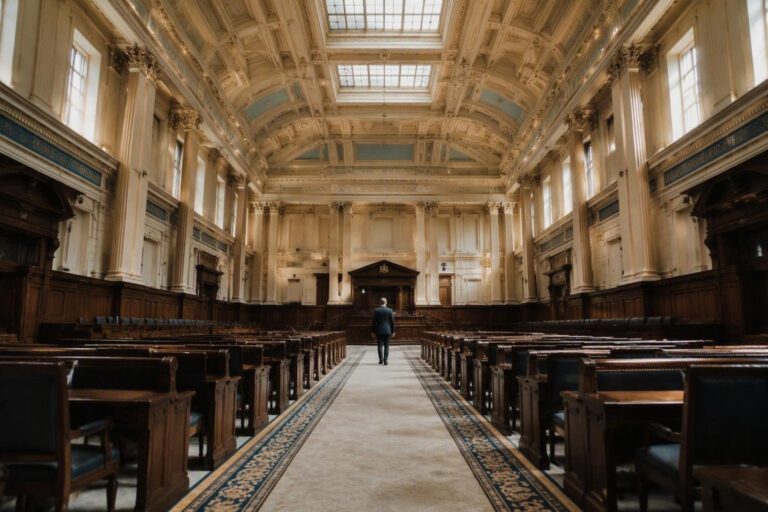
The return of Stormont from its summer recess brings with it a host of pressing issues and political challenges. As ministers and MLAs resume their duties, they face a backdrop of financial uncertainty, legislative deadlines, and looming elections.
Among the immediate concerns is the ongoing budget deadlock, which has left several departments facing significant overspends.
The health and education sectors, in particular, are grappling with substantial deficits, raising concerns about the impact on public services.
Budget Deadlock and Financial Pressures
The lack of a agreed budget has created a winter of discontent, with the prospect of strike action looming.
Health Minister Robbie Butler and other ministers argue that their hands are tied without a budget that can address outstanding pressures. The executive parties have been engaged in talks with Treasury officials to break the deadlock, but progress has been slow.
The SDLP leader of the opposition, Matthew O’Toole, has called on public bodies to share how the lack of financial certainty is affecting their services. Think tank Pivotal recently published a report highlighting massive overspends in several departments, including deficits of about £800m in health and £250m in education.
Legislative Hurdles and Political Tensions
As the countdown to the election day approaches, the executive faces serious question marks over key bills. Economy Minister Caoimhe Archibald’s ‘Good Jobs’ Bill, aimed at reforming employment laws, has yet to secure executive agreement due to lack of support from the Democratic Unionist Party (DUP). Other flagship policies, such as the redevelopment of Casement Park and the A5 road project, remain mothballed due to financial and legal disputes.
The largest parties, Sinn Féin and the DUP, are feeling the heat in their own ways. Sinn Féin, now the largest party, needs to consolidate its support and demonstrate its ability to deliver. The DUP, meanwhile, faces challenges following the conviction of former leader Jeffrey Donaldson, which he is appealing.
Reform and Institutional Challenges
Alliance and the SDLP have long called for reforms to prevent the institutions from collapsing again. Sinn Féin has published proposals urging the removal of the ‘veto’ on executive formation, suggesting that the opportunity to take up roles should pass to other parties if the largest party within nationalism or unionism refuses to nominate.
The Northern Ireland Secretary, Sir Chris Bryant, has been meeting with Stormont parties to discuss financial pressures and institutional reforms. However, the financial offer made to assist in agreeing a budget has been criticized as falling well short of addressing the pressures in a single department.
First Minister Michelle O’Neill has stated that an agreement can only be made when it is the ‘right budget’ and has vowed to ‘hardball’ the Secretary of State over a fair funding settlement. DUP leader Gavin Robinson has also expressed that the offer falls short of addressing the needs across the Northern Ireland Executive.
As Stormont reconvenes, the political landscape is fraught with challenges. The executive must navigate financial pressures, legislative hurdles, and political tensions to ensure the smooth functioning of the institutions and the well-being of the public.
