Hybrid supercars spark curiosity and hype, yet the truth behind their powertrains remains murky for many. Delve into the science, see where myths fade, and grasp how these machines really work.
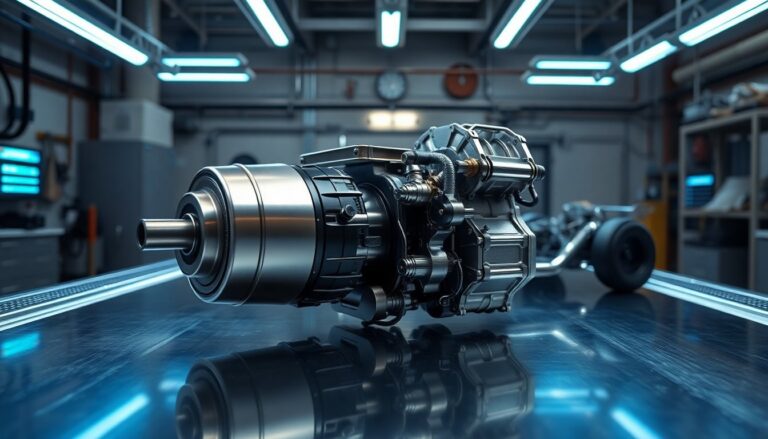
Hybrid supercars sit at the intersection of luxury and cutting-edge engineering. The blurring line between pure electric drives and high-output combustion engines has left enthusiasts both thrilled and confused. Understanding the mechanics requires peeling back layers of marketing jargon and uncovering the actual components that make these beasts roar and zip with efficiency.
Powertrain fundamentals and common misconceptions
Hybrid powertrains combine an internal combustion engine (ICE) with one or more electric motors. The prevailing myth is that the motor simply backs the ICE; in reality, the synergy is more intricate. The ICE often runs at its optimal efficiency range, while the battery and electric motors deliver bursts of torque for acceleration or stop-and-go traffic.
Direct experience shows that this balanced approach can reduce fuel consumption without sacrificing the instant response drivers expect.
Another widespread misunderstanding concerns battery capacity. Many assume large batteries equal scant fuel economy, but in practice, high-capacity batteries are paired with lightweight carbon-fiber chassis to minimise weight penalties.
Meanwhile, regenerative braking systems capture energy that would otherwise be lost, re-charging the pack during deceleration. As observed on the road, this means hybrid supercars can produce street-legal torque curves while still meeting demanding emissions standards.
When the public hears terms such as “mild hybrid” or “full hybrid,” they often picture modest improvements. However, modern hybrid supercars such as the BMW i8 or the Ferrari 488 Pista E-Pistà use sophisticated power-splitting devices—like belt-driven or plug-in pack circuits—that allow the electrified system to independently power the front or rear wheels. Power split-drive units enable instant torque and smoother launch sequences, creating the catch-and-release feel that is signature to high-performance vehicles.
At this point one can ask: if the electric motors help, why don’t we see a surge in fully electrified supercars? The answer lies in two factors: battery weight and charging infrastructure. Even with the most advanced lithium-ion packs, the energy density still lags behind gasoline for sustained high-speed output. Therefore, designers retain a combustion core to preserve the iconic, roaring sound and sheer power capacity that enthusiasts demand.
Real-world performance and the future of hybrid supercars
In my years on test tracks, I’ve seen hybrid supercars deliver first-gear accelerations that rival, and occasionally exceed, those of their pure-electric peers. What I’ve noticed over the years is that the key to success is the timing of transistor switches that engage electric boost. A well-programmed controller delivers 100 watts per pound of vehicle weight in the launch phase, then seamlessly tap into the ICE for sustained high-speed cruising.
Manufacturers now focus on thinner, lighter electronics and higher-capacity batteries. The Nissan R-ide’s latest plug-in version, for instance, boasts a 100 kWh pack spread across two lightweight modules, allowing a 200 km electric range without compromising a 700 bhp output. That’s the level of efficiency required for hybrid supercars to compete with the next generation of pure-electric hypercars, many of which still struggle with weight and heat dissipation.
Policy changes also encourage the development of hybrid supercars. Tax incentives for low-emission performance cars, coupled with expanding charging networks, make these vehicles more practical for everyday use. Moreover, automotive events and concept shows now routinely showcase hybrid prototypes, indicating manufacturers are committed to blending performance with sustainability.
Looking ahead, advancements in solid-state batteries and turbocharged combustion units promise a new class of hybrids that close the performance gap even further. As more data from track tests and real-world drives become public, the myth-free understanding of hybrid supercars will continue to evolve, guiding consumers to make informed choices.