

Verifying viral war footage is crucial in today's digital age, and osint techniques can help
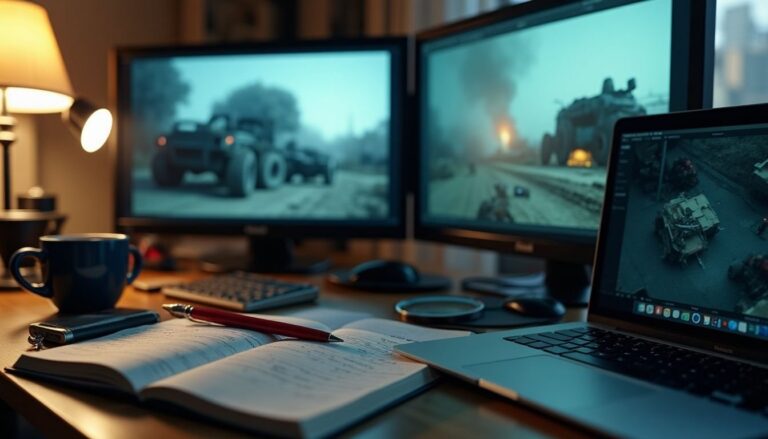
Verifying viral war footage without bias is a challenging task, especially in today’s digital age where misinformation and disinformation can spread quickly. With the rise of social media, it’s easier than ever for false or misleading information to go viral, causing harm to individuals, communities, and society as a whole.
To combat this, it’s essential to use osint (open-source intelligence) techniques to verify the authenticity of viral war footage. This involves analyzing the metadata of images and videos, such as the date, time, and location they were taken, as well as the devices used to capture them.
Reverse image search
A reverse image search can help identify if an image has been used before or if it’s been manipulated. This can be done using search engines like Google or specialized tools like TinEye. By uploading the image or providing a link to it, these tools can search for similar images online and provide information about their origin.
Geolocation basics
Geolocation involves analyzing the visual cues in an image or video to determine where it was taken. This can include identifying landmarks, buildings, or other distinctive features that can be matched to a specific location. By using satellite imagery or maps it’s possible to pinpoint the exact location where the footage was captured.
Cognitive biases and cross-referencing
When verifying viral war footage, it’s essential to be aware of cognitive biases that can influence our judgment. These biases can lead us to interpret information in a way that confirms our preconceptions, rather than objectively evaluating the evidence. To avoid this, it’s crucial to cross-reference information from multiple sources, including reputable news outlets, official reports, and eyewitness accounts.
Metadata pitfalls
When analyzing metadata it’s essential to be aware of potential pitfalls. For example, exif data can be easily manipulated or removed, making it difficult to determine the authenticity of an image. Additionally, timestamps can be altered, making it challenging to determine when an image or video was actually taken.
Verification workflow
To verify viral war footage without bias, follow these steps:
- Conduct a reverse image search to identify if the image has been used before or if it’s been manipulated.
- Analyze the metadata of the image or video, including the date, time, and location it was taken.
- Use geolocation techniques to determine where the footage was captured.
- Cross-reference information from multiple sources, including reputable news outlets, official reports, and eyewitness accounts.
- Be aware of cognitive biases that can influence our judgment and try to evaluate the evidence objectively.
