

Pope Leo XIV announces a planned operation to excise an early‑stage lung nodule, outlining the timetable and possible impact on his November trip.
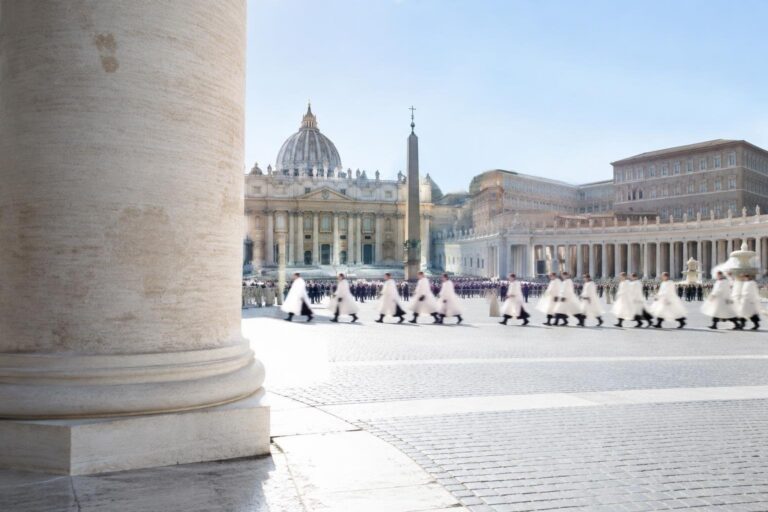
During his Sunday noon blessing, Pope Leo XIV informed the faithful that doctors have identified a small, well-defined lesion in his right lung. The pontiff, who turned 71 this year, described the finding as an “early-stage, circumscribed nodule,” and stated that the Vatican has already arranged for a surgical procedure within the coming days.
He thanked the crowd for their spiritual support and asked that prayers continue while he undergoes the operation. The announcement came as part of a brief address delivered in Italian, in which the Pope emphasized the routine nature of the examination that revealed the anomaly and reaffirmed his intention to proceed with the recommended medical intervention.
Medical assessment and the planned operation
The Vatican’s health service explained that the nodule measures less than three centimetres, a size that classifies it as a lung nodule. An lung nodule is a small mass of tissue that appears on imaging studies such as CT scans or X-rays; most are benign, but they may also indicate early cancer or scar tissue from prior infections.
In Leo’s case, doctors determined that the lesion is localized and detected at a very early stage, prompting a recommendation for surgical removal rather than a period of watchful waiting.
According to the chief thoracic surgeon consulted by the Vatican, the likely approach will be a minimally invasive thoracoscopic resection, a technique that uses small incisions and a camera to excise the nodule while preserving as much healthy lung as possible. Recovery from such a procedure typically ranges from a few days to a week, and the Pope is expected to be discharged within that window, barring unforeseen complications.
Recovery timeline and logistical arrangements
Vatican spokesperson Matteo Bruni confirmed that the operation will take place at Rome’s renowned Gemelli Hospital a facility that has treated several recent pontiffs, including Pope Francis. The hospital even maintains a dedicated residence for popes receiving care. Post-operative care is projected to last roughly seven days, after which the Pope should be able to resume light activities such as his regular tennis matches and swimming sessions at Castel Gandolfo.
Given the Pope’s age, some physicians caution that the healing process might be slightly slower than that of a younger, otherwise healthy patient. Nevertheless, Dr. Ankit Bharat, a thoracic surgery expert, noted that modern surgical methods significantly reduce hospital stays and enable patients to begin gentle walking within 24–48 hours, suggesting a swift return to everyday duties.
Potential impact on the November South American itinerary
Leo XIV has a demanding pastoral agenda planned for early November, with scheduled visits to Uruguay, Argentina, and Peru from the 6th to the 17th. While the Vatican has not officially adjusted the itinerary, the Pope’s earlier remarks indicated confidence that the trip could still proceed, provided the surgery proceeds without complications and the recovery adheres to the expected timeframe.
If the pathology report from the excised tissue reveals malignancy, further treatment—such as additional surgery, chemotherapy, or radiation—might be required before any long-distance travel. In that scenario, Vatican officials would likely reassess the feasibility of the South American pilgrimage and possibly postpone or modify the engagements.
Historical context and governmental support
Pope Leo XIV follows the recent passing of his predecessor, Pope Francis, who succumbed to complications from chronic lung disease in April 2025. Francis had previously undergone a partial lung removal during his youth, underscoring the significance of respiratory health for the papacy. Italian Prime Minister Giorgia Meloni publicly expressed solidarity with the Pope, praising the calm manner in which he addressed the situation and offering governmental assistance throughout the medical episode.
The Vatican’s transparent communication strategy mirrors past practices of informing the global Catholic community about the health of its leader. By providing clear details on the diagnosis, surgical plan, and expected recovery, the Holy See aims to maintain trust while ensuring that the faithful remain engaged through prayer and support.
