Mexico's national team jerseys are a symbol of pride, but counterfeit versions flood the market, costing the economy billions and thousands of jobs.
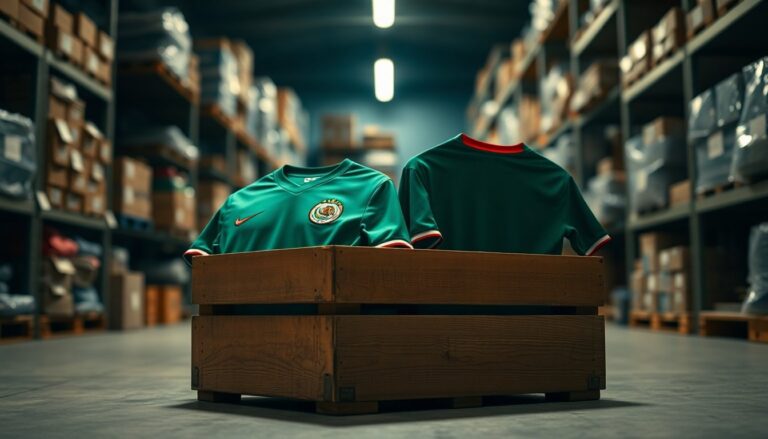
The Mexico national team jersey is more than just a piece of sportswear; it’s a symbol of national pride. The green color represents hope, and the design elements nod to Mexico’s rich cultural heritage. However, the popularity of these jerseys has given rise to a thriving counterfeit market with significant economic implications.
In a country where the minimum wage is around 315.04 pesos per day, the official jerseys, priced at 2,000 to 3,000 pesos, are a significant investment for many. With nearly 70% of working Mexicans earning two minimum wages or less, it’s no surprise that counterfeit jerseys, priced between 100 and 350 pesos, have become a popular alternative.
The scale of counterfeiting in Mexico
The counterfeit market in Mexico is vast and well-organized. In 2026, Mexicans consumed 63.262 billion pesos worth of counterfeit goods, a 50% increase from a decade ago. The most commonly counterfeited items are apparel, footwear, and accessories, with three out of every five garments sold in Mexico estimated to be from the black market.
The textile industry in Mexico employs over 1.2 million people, mostly women, but it’s operating at only 70% of its installed capacity due to the prevalence of counterfeit goods. The industry could reactivate the remaining 30% if there was a greater emphasis on purchasing Mexican-made products.
The journey of counterfeit goods
Most of the counterfeit textiles sold in Mexico originate from Asia, predominantly China. They enter the country through major ports like Manzanillo, Colima, and Lázaro Cárdenas, Michoacán. The goods are smuggled in through various methods, including subvaluation, route triangulation, re-labeling, and even with the complicity of customs personnel.
Once inside the country, the merchandise flows to major hubs like Tepito in Mexico City and the Libertad market in Guadalajara. These markets not only supply Mexico but also Central America. During the World Cup, counterfeit merchandise can account for up to 25% of informal commerce revenue in Mexico City’s Historic Center.
The impact of counterfeiting
The economic impact of counterfeiting is significant. The Mexican textile industry loses tens of billions of pesos annually, and FIFA estimates that official sales drop by at least 8% due to counterfeiting. The state also loses out on VAT, income tax, and customs duties, which could have been used for infrastructure development.
The human cost is also substantial, with an estimated 70,000 formal jobs lost due to counterfeiting. These are jobs with names, surnames, and unpaid benefits. Meanwhile, the profits from counterfeiting often end up in the hands of organized crime syndicates.
Efforts to combat counterfeiting include raids on notorious markets and legal action against vendors. However, the scale of the problem requires a more comprehensive approach, including stricter border controls, increased penalties for counterfeiting, and a greater emphasis on purchasing locally made products.