

From late-night fast food drives to cozy nights in, discover how solo living is being redefined as an aspirational lifestyle by a growing community of content creators.
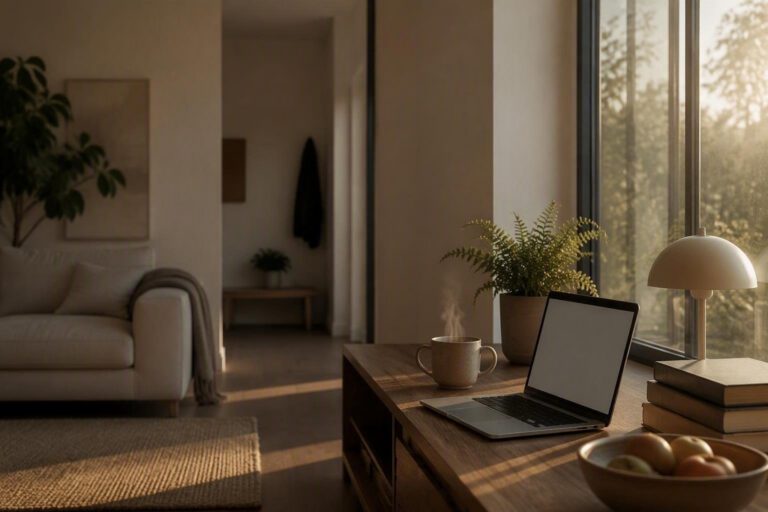
In an era where social media often glorifies constant connectivity and bustling social lives, a counter-movement is emerging. A niche but growing community of content creators, predominantly women, is showcasing the serenity and independence of solo living. This trend is challenging the stigma associated with living alone and redefining what it means to lead a fulfilling life.
At the forefront of this movement are creators like Lana Isa, a software sales manager based in Toronto. Her TikTok and Instagram accounts offer a glimpse into her daily routines, from late-night fast food drives to reading sessions by the lake.
Isa’s content resonates with a significant audience, highlighting the peace and solitude that comes with living alone.
The Appeal of Solo Living
Isa’s journey to embracing solo living began after several life changes, including switching high schools, enduring Covid isolation, and moving across the country following a heartbreak.
These experiences led her to a lifestyle that prioritizes peace and solitude. “People don’t talk about having no friends a lot… I think it’s still what people would consider embarrassing or a little taboo,” she says. By sharing her experiences, Isa has connected with a community of individuals who find comfort in the “no friends” aspect of her life.
Her initial following of around 2,000 followers on TikTok swelled to more than 175,000 in just eight months. This growth underscores the relatability of her content and the growing interest in solo living. Isa’s comments section is filled with people bonding over similar experiences, finding solace in “feeling seen.”
Challenging Social Norms
As with most online trends, the rise of solo living content has sparked debate. Critics have dubbed these creators “loneliness influencers,” framing them as part of a new demographic of sad, lonely, childless women in crisis. Others accuse them of romanticizing self-isolation and encouraging an “air of cozy defeatism” by shunning social connections.
However, the reels paint a different picture. These women take themselves on solo dates, embark on spontaneous road trips, and even push through the awkwardness of attending parties alone. Their content highlights the independence and freedom that come with living alone, challenging the notion that solitude equates to loneliness.
Destigmatizing Loneliness
Devon Noehring, a full-time content creator and self-proclaimed introvert based in Phoenix, Arizona, finds it “frustrating” to see her solo weekends reduced to a symptom of female loneliness. “It’s the exact opposite intention of our videos,” she says. “I just hate the stigma of alone equalling lonely.” Noehring’s content is about prioritizing her peace and asking, “What about this is sad to you?”
Health researchers are also working to destigmatize loneliness by differentiating between chronic loneliness forced by circumstance and those who have the agency to choose to live and spend time alone. “Everybody’s lonely at some point, but some people are not OK admitting that,” says Professor Melody Ding, an epidemiologist researching social connection and loneliness at the University of Sydney. “That can create this false expectation that you have to be socially happy and connected all the time.”
Ding cautions that while influencers can make being alone look “really appealing,” humans still need social connection. It can be detrimental to one’s mental and physical wellbeing to be stuck in a cycle of intense isolation. “We’re a social species,” says Ding. “We survive better with companionship, with people around us.”
Despite the challenges, these women emphasize that loneliness doesn’t define their lives. “We never describe ourselves as lonely,” says SJ Hoadley, who works as a cleaner in the UK and began documenting her own solo living experiences. “We want to find people we relate to.”
