

Executive Summary: Recent regulatory changes have resulted in Thames Water and its industry counterparts facing the revocation of executive bonuses. This decision is primarily attributed to performance deficiencies related to environmental pollution.
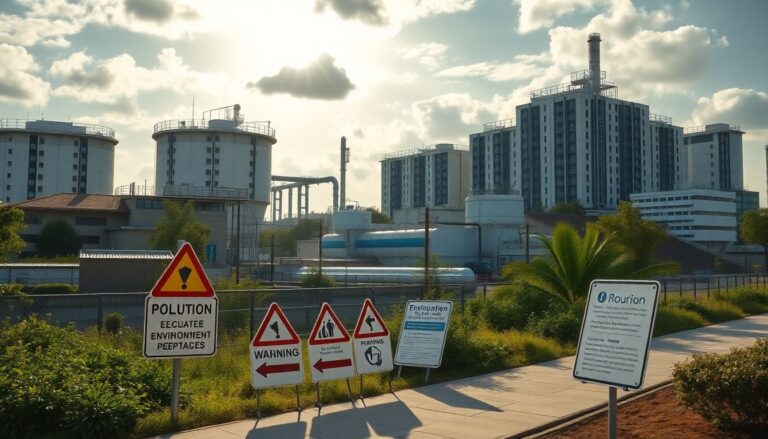
In a notable effort to improve accountability, the water regulator Ofwat has banned bonus payments for executives at Thames Water and five other major water companies. This decision follows serious pollution incidents and various performance issues, resulting in over £4 million in bonuses being withheld from top management.
Implemented in June, these regulations respond to increasing concerns about the environmental performance of the UK’s water companies. Ofwat’s new guidelines stipulate that firms must refrain from awarding annual bonuses and other financial incentives to directors if they do not meet defined environmental standards.
The implications of the new regulations
The enforcement of these rules is part of a broader initiative to align executive compensation with meaningful performance metrics, specifically focusing on environmental responsibility. Thames Water, along with Anglian Water, Southern Water, United Utilities Water, Wessex Water, and Yorkshire Water, has been identified for various violations, primarily related to pollution.
Details of the violations
For Thames Water, proved to be a challenging year, as the company experienced seven serious pollution incidents classified as “category 1,” the highest level of environmental violations. This ongoing non-compliance not only impacted executive pay but also led to breaches of its licensing agreement regarding credit ratings, resulting in a one-star rating for environmental performance.
Consequently, no bonuses were awarded to the chief executive or the former finance chief, who left the company in March. Wessex Water experienced a similar outcome following a criminal conviction related to a sewage leak that resulted in the death of over 2,000 fish. This incident led to a substantial £500,000 fine and the cancellation of executive bonuses.
Regulatory changes and accountability
Beyond suspending bonuses, Ofwat is exploring additional measures to enhance transparency in the annual reporting of water companies. Proposed regulations may require companies to publicly disclose the total compensation received by their directors across all regulated and parent firms. This initiative aims to strengthen public trust and ensure accountability among companies for their actions.
Ofwat’s report highlighted that while progress has been made, water companies must enhance their response to public concerns regarding executive bonuses. These firms need to align their compensation decisions for top management with societal expectations. The regulator asserted, “Water companies must better demonstrate that they understand the feeling of public anger on bonuses and the expectation that they are accountable.”
Thames Water’s financial challenges
Thames Water, serving approximately 15.5 million people in Greater London and surrounding areas, is facing significant financial challenges. The company’s ageing infrastructure is well-known for its leakage problems, which often result in pollution incidents and substantial fines. Despite being the largest water supplier in England, Thames Water has drawn criticism for its high shareholder dividends, which have contributed to an alarming debt of over £16 billion.
Reports indicate that Thames Water is approaching financial collapse, sparking discussions about potential temporary nationalization. The UK Government is considering options to place the firm under a special administration regime. A £3 billion emergency bailout was agreed upon earlier in the year. However, the situation remains precarious as the company’s debts continue to rise, raising concerns about the management practices that have led to its current predicament.
The recent blocking of executive bonuses at Thames Water highlights a significant shift in accountability for water companies regarding their environmental impacts. With new regulations in effect, there is a clear expectation for performance to align with public interest, especially in efforts to protect the environment.
