Nine EU countries have delayed implementing the European Union’s entry-exit system (EES) due to technical issues and long queues at borders.
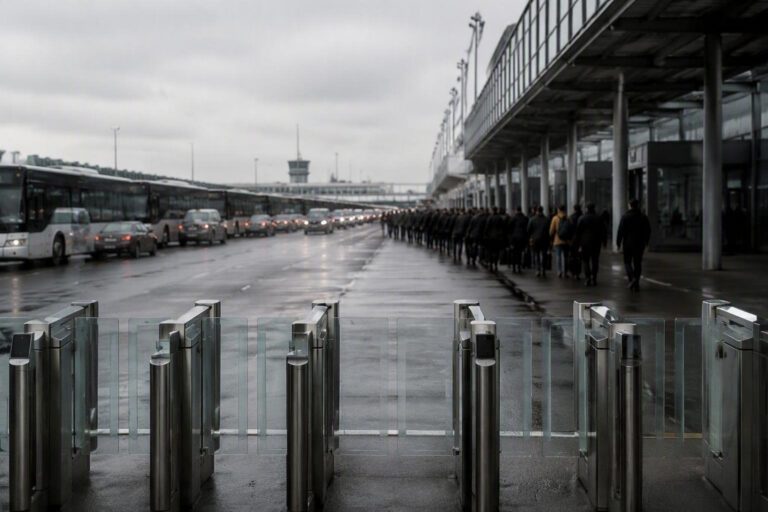
The European Union’s entry-exit system (EES) has encountered significant delays as nine countries postpone its implementation. This system, designed to enhance border security by collecting biometric data from non-EU travelers, has faced criticism for causing long queues and operational challenges at airports across the Schengen area.
Initially rolled out in October last year, the EES was expected to be fully operational by April. However, the European Commission granted a 150-day grace period to mitigate travel disruptions during the summer. Despite this grace period expiring on 6 September the nine countries have informed the Commission of their intention to delay enforcement until the technology and systems are fully functional.
Countries Delaying EES Implementation
The countries involved in the delay include France, Belgium, the Netherlands, Germany, Greece, Malta, Portugal, Italy, and Switzerland. These nations have been permitted to maintain border fluidity by temporarily suspending the EES checks. The decision comes amid reports of software difficulties and prolonged queues at border control points.
The European Commission has not officially commented on the matter, but it appears that Brussels has informally allowed these countries to proceed with the delay. This move has been met with criticism from airlines and airports, which have expressed concerns about the system’s readiness and the impact on travelers.
Ryanair Calls for Extension of EES Derogation
Ryanair Europe’s largest airline, has urged the European Commission to extend the EES derogation until at least April 2027. The derogation, which allowed member states to temporarily suspend EES checks, expired on Sunday, 6 September. Ryanair’s chief operational officer, Neal McMahon criticized the EU’s handling of the EES rollout, describing it as a “shambles from start to finish.”
McMahon emphasized that airlines, airports, and border authorities had repeatedly warned about the system’s unpreparedness. He stated, “Passengers should not be made to pay the price for the EU’s failed EES rollout.” Ryanair’s call for an extension aims to provide airports and border authorities with sufficient time to address staffing shortages and technical issues.
Impact on Travelers
The delays in implementing the EES have had a significant impact on travelers, particularly during the peak summer season. Long queues at border control points, such as those in Krakow, Lisbon, Milan, and Rome have led to delays of up to 2-3 hours. The European Commission’s insistence that the EES is working has been met with skepticism, as border authorities continue to grapple with malfunctioning kiosks and processing delays.
The UK government has also taken steps to mitigate the impact on British travelers. A government spokesperson stated, “We have provided £10.5 million to improve infrastructure at the Port of Dover, Eurotunnel, and Eurostar and a further £20 million to increase passport-checking and vehicle-holding capacity at the Port of Dover.” These measures aim to minimize delays for holidaymakers and hauliers.
As the EU continues to navigate the challenges of the EES rollout, travelers can expect ongoing disruptions. The European Commission’s decision to allow the nine countries to delay implementation highlights the need for further adjustments to ensure the system’s efficiency and effectiveness.