How attacks on oil and gas systems create airborne toxins, ruined coastlines and enduring health risks
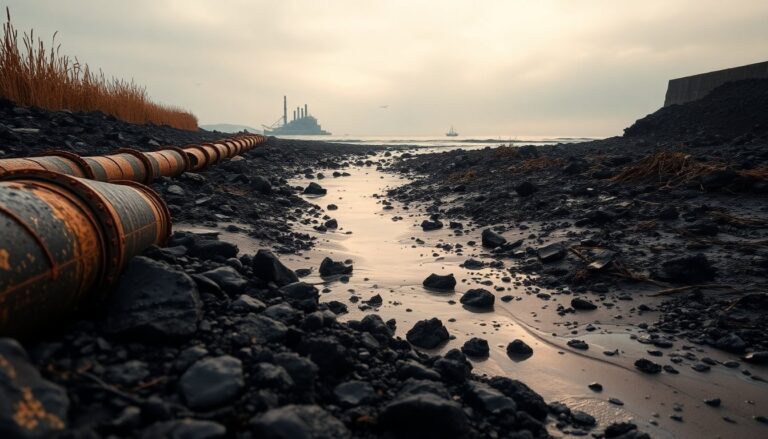
Armed conflict exacts immediate human and material costs, but its environmental toll can be equally profound and long-lived. When military operations hit energy sites, the result is not only wrecked infrastructure but also widespread pollution—from soot and chemical plumes in the atmosphere to oil residues in coastal waters and contaminated soil inland.
These impacts shape public health, ecosystems and livelihoods long after hostilities end, and they can travel far from the strike zone through wind, currents and supply chains.
Understanding the pathways and persistence of this damage is crucial for recovery planning.
The interplay between concentrated fuel stocks, damaged industrial facilities and weakened governance produces a cascade of hazards: immediate airborne toxins, chronic contamination of water and land, and disrupted services that push communities toward environmentally harmful coping strategies. This article examines how energy-related strikes amplify pollution risks and why choices made during rebuilding can either entrench hazards or reduce future exposure.
How attacks on energy systems create long-term contamination
Sites such as refineries, storage depots and pipelines concentrate combustible materials and hazardous compounds, so when they burn or rupture they release a complex mix of pollutants. The smoke from burning fuel tanks contains fine particulates and toxic gases that degrade air quality, while spilled oil and chemical run-off threaten coastal ecosystems and fisheries. Past conflicts show that this damage can persist: dense smoke and contaminated groundwater after the 1991 Gulf War, for example, produced lingering health and environmental costs. The conflagration of oil facilities is therefore more than a temporary emergency—it is a source of multi-media contamination that can alter environmental baselines.
Oil fires, marine pollution and airborne risks
When storage tanks ignite, black carbon and carcinogenic compounds enter the atmosphere and settle onto land and water, creating exposures that can last years. In coastal zones, oil residues and debris change sediment chemistry and suffocate marine life, with ecological consequences that ripple through food webs. Attacks on coastal or offshore infrastructure also risk widespread dispersion: currents and tides can carry oil residues and chemical pollutants well beyond the initial damage site, challenging cleanup and harming communities dependent on fisheries and tourism.
Broken oversight and neglected maintenance
War often undermines the institutions that prevent and respond to environmental harm. When governance erodes, routine inspection and environmental regulation lapse, leaving hazards to accumulate. Examples include oil pipelines that leak because maintenance crews cannot operate safely, and derelict vessels that menace coasts. The case of the FSO Safer—left without upkeep until an emergency transfer in 2026—illustrates how prolonged neglect can create the risk of catastrophic spills. In such settings, communities bear both the immediate pollution and the long-term costs of weakened oversight.
Climate interactions and choices for reconstruction
Conflict compounds climate-related impacts in several ways. Militaries contribute directly to atmospheric emissions; estimates put armed forces’ share of global greenhouse gas emissions at around 5.5 percent in 2026, reflecting heavy fuel use that is often absent from formal climate accounting. Additionally, rebuilding shattered cities requires large quantities of carbon-intensive materials such as cement and steel, embedding a renewed emissions burden in reconstruction projects. These dynamics mean that post-conflict recovery can either reinforce a high-carbon trajectory or become an opportunity to pivot toward lower-impact systems.
Renewable systems and resilience
Replacing centralized, vulnerable fossil infrastructure with more dispersed renewable energy can reduce both pollution risk and economic exposure to supply shocks. Damaged solar arrays or wind turbines generally do not produce the same scale of toxic runoff or oil-based fires as struck refineries or pipelines. While renewables are not immune to damage in conflict, integrating distributed renewable grids and decentralized storage can lower the probability of catastrophic pollution events and help communities maintain basic power without reverting to unsustainable fuels like charcoal or firewood.
Wars will continue to destroy physical systems, but the environmental legacy they leave depends on the energy choices that follow. Rebuilding around fragile, centralized fossil-fuel infrastructure risks repeating patterns of contamination and economic vulnerability, while investing in cleaner, distributed systems can limit toxic aftermaths and improve resilience. Policymakers, aid agencies and local communities must therefore weigh not only immediate reconstruction needs but also the long-term environmental and health consequences of the energy architectures they restore.