Explore the world of concept cars and their influence on the development of road cars, from design to production
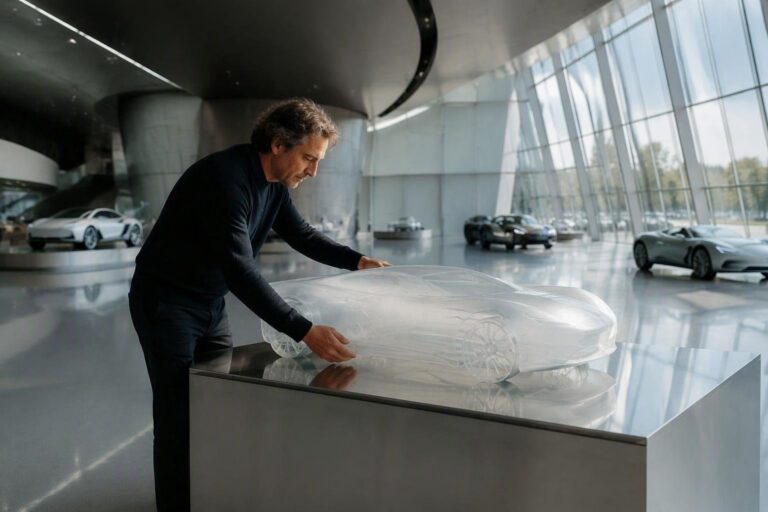
Concept cars have long been a staple of the automotive industry, showcasing innovative designs and technologies that often pave the way for future production vehicles. Automotive design is a critical aspect of concept cars, as they allow manufacturers to experiment with new design languages and platform previews.
These experiments can lead to the development of new production vehicles that incorporate the latest technologies and design elements.
The impact of concept cars on the automotive industry cannot be overstated. They provide a glimpse into the future of automotive technology and design trends allowing manufacturers to gauge public interest and gather feedback from potential customers.
Additionally, concept cars often serve as a testing ground for new sustainability experiments such as alternative fuel sources and reduced emissions.
Design languages and platform previews
Concept cars are often used to introduce new design languages and platform previews. These designs can influence the development of future production vehicles, as manufacturers seek to create a cohesive brand image.
BMW for example, has used concept cars to showcase its design language which has been incorporated into its production vehicles. Similarly, Audi has used concept cars to preview its platform for future electric vehicles.
Sustainability experiments
Concept cars are also used to test sustainability experiments such as alternative fuel sources and reduced emissions. Hybrid and electric vehicles are becoming increasingly popular, and concept cars have played a significant role in their development. Manufacturers such as Toyota and Honda have used concept cars to showcase their hybrid and electric vehicle technologies, which have since been incorporated into production vehicles.
From concept to production
The journey from concept to production is a complex one, involving numerous stages of development and testing. Concept cars are often used to gauge public interest and gather feedback from potential customers, which can inform the development of future production vehicles. Manufacturers must balance the need for innovative design and technology with the practical considerations of production and sales. Ultimately, the goal is to create a production vehicle that incorporates the latest technologies and design elements, while also meeting the needs of consumers.