Discover the secrets behind concept cars and how to identify production-ready features
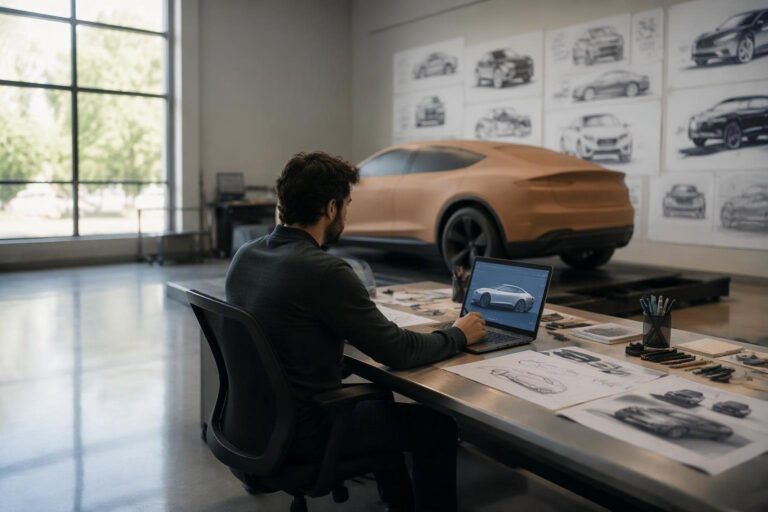
Concept cars have long been a staple of the automotive industry, showcasing innovative designs and cutting-edge technology. However, not all concept cars make it to production, and even those that do often undergo significant changes before hitting the market.
So, what makes a concept car production-ready? Design clay and prototyping play a crucial role in the development process.
When evaluating concept cars, it’s essential to consider the regulatory hurdles that must be overcome before a vehicle can be mass-produced.
This includes meeting safety and emissions standards, as well as complying with regulatory requirements. Supplier constraints also play a significant role, as manufacturers must ensure that the necessary components and materials are available and affordable.
Design and Prototyping
The design process for concept cars typically begins with sketches and computer-aided designs.
These initial designs are then refined and developed into clay models which allow designers to visualize and test the vehicle’s shape and proportions. Prototyping is the next step, where a functional prototype is built to test the vehicle’s performance and feasibility.
Regulatory Hurdles
Before a concept car can be produced, it must meet various safety standards including crash testing and occupant protection. Emissions standards are also a critical consideration, as manufacturers must ensure that their vehicles comply with increasingly stringent regulations. Additionally, regulatory requirements such as labeling and documentation must be met.
Supplier Constraints
Manufacturers must also consider supplier constraints when developing a concept car. This includes ensuring that the necessary components and materials are available and affordable. Supply chain management is critical to the success of a production vehicle, as disruptions or shortages can have significant impacts on production and profitability.
Assessing Feasibility
To assess the feasibility of a concept car, consider the following checklist:
- Design and prototyping Is the design feasible and have prototypes been built and tested?
- Regulatory compliance Does the vehicle meet safety and emissions standards?
- Supplier constraints Are the necessary components and materials available and affordable?
- Production costs Are the production costs feasible and can the vehicle be produced profitably?