

Learn to decode concept cars and predict production features
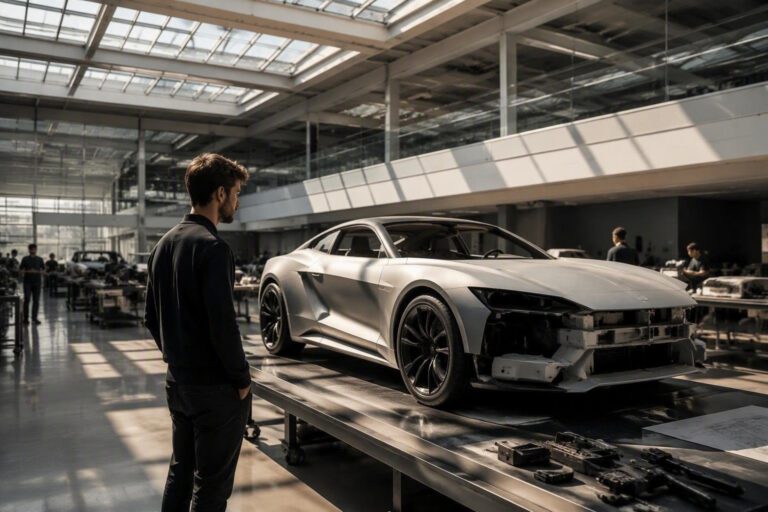
Concept cars are a staple of the automotive industry, showcasing the latest innovations and designs. However, not all concept car features make it to production. To predict which features will reach production, it’s essential to analyze the concept car’s powertrainsaerodynamicsuser experience and materials.
Powertrains and Propulsion
Concept cars often feature cutting-edge powertrains including electric and hybrid systems. To determine if these powertrains will make it to production, look for regulatory compliance and industry trends. If the powertrain meets current and future emission standards it’s more likely to reach production.
Aerodynamics and Design
Aerodynamics play a crucial role in concept car design. Features like active grille shutters and air curtains can improve fuel efficiency and reduce drag. To predict if these features will make it to production, examine the design language and brand identity of the manufacturer.
If the features align with the brand’s
User Experience and Technology
Concept cars often showcase innovative user experience features, such as infotainment systems and driver assistance technologies. To determine if these features will reach production, look for industry partnerships and technology investments. If the manufacturer has partnered with technology companies or invested heavily in research and development, it’s more likely that these features will be produced.
Materials and Manufacturing
Concept cars frequently feature innovative materials and manufacturing techniques such as carbon fiber and 3D printing. To predict if these materials and techniques will make it to production, examine the cost-benefit analysis and supply chain logistics. If the materials and techniques offer significant weight reduction or cost savings they’re more likely to be produced.
Evaluating Concept Cars
To evaluate a concept car and predict which features will reach production, use the following checklist:
- Regulatory compliance
- Industry trends
- Design language and brand identity
- Industry partnerships and technology investments
- Cost-benefit analysis and supply chain logistics
