

Discover how to read between the lines of auto show hype and identify future production features
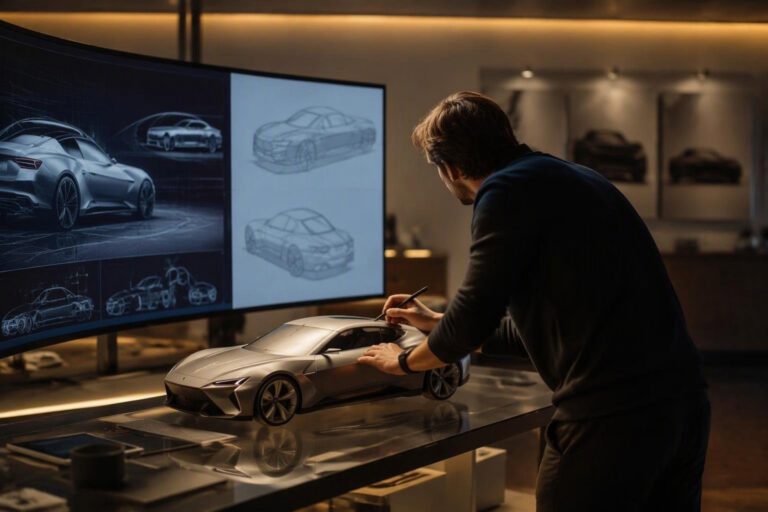
Concept cars are a staple of the automotive industry, showcasing the latest designs, technologies, and innovations. However, not all concept cars are created equal, and it can be difficult to distinguish between features that will make it to production and those that are simply for show.
In this article, we will explore the world of concept cars and provide guidance on how to decode the hype surrounding them.
The main purpose of a concept car is to test public reaction and gather feedback on new designs and technologies.
Automakers use concept cars to showcase their vision for the future of mobility and to gauge interest in potential new models. However, not all concept cars are destined for production, and some features may be purely theoretical or intended to generate buzz.
Identifying production-bound features
So, how can you tell which features will make it to production and which are just for show? One way is to look for production intent language in the press release or marketing materials. If the automaker is explicitly stating that a particular feature will be available on a future production model, it’s likely that it will make it to production. Additionally, features that are already available on existing production models are more likely to be production-bound.
Another way to identify production-bound features is to look for feasibility. If a feature is technically possible and aligns with the automaker’s existing product lineup, it’s more likely to be production-bound. On the other hand, features that are purely theoretical or require significant advances in technology are less likely to make it to production.
Evaluating safety features
Safety features are a critical aspect of any vehicle, and concept cars often showcase the latest advancements in safety technology. When evaluating safety features on a concept car, look for features that are already available on existing production models or have been announced for future production models. Additionally, consider the practicality of the feature and whether it is likely to be adopted by other automakers.
Assessing aerodynamics and design
Aerodynamics and design are critical aspects of any vehicle, and concept cars often push the boundaries of what is possible. When evaluating the aerodynamics and design of a concept car, consider the coherence of the design and whether it aligns with the automaker’s existing product lineup. Additionally, look for features that are likely to be production-bound, such as active grille shutters or air curtains.
Spotting greenwashing
Greenwashing is a common phenomenon in the automotive industry, where automakers make exaggerated claims about the environmental benefits of their vehicles. When evaluating the environmental credentials of a concept car, look for substantive evidence to support the claims. Consider the fuel economy and emissions of the vehicle, as well as any sustainable materials used in its construction.
By looking for production intent language, evaluating feasibility, and assessing safety features, aerodynamics, and design, you can gain a better understanding of which features will make it to production and which are just for show. Remember to always approach claims with a healthy dose of skepticism and look for substantive evidence to support them.
