Discover the secrets of concept car design and how to spot future production models
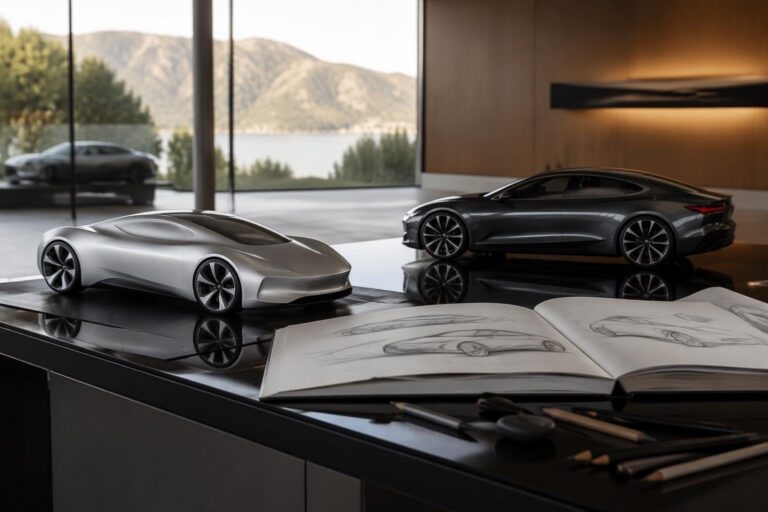
Concept cars are a staple of motor shows, offering a glimpse into the future of automotive design. But what do these concept cars really tell us about the production models that will eventually hit the market? To answer this question, it’s essential to understand the language of concept car design, including proportions, surfacing, lighting, and interiors.
Generally, concept cars are designed to showcase a manufacturer’s vision for the future, and as such, they often feature proportions that are more extreme than those of production models. However, by examining the proportions of a concept car, it’s possible to gain insight into the design direction of future production models.
For example, a concept car with a long wheelbase and short overhangs may indicate that the manufacturer is planning to produce a vehicle with a more spacious interior.
Surfacing and Lighting
Another crucial aspect of concept car design is surfacing which refers to the shape and form of the vehicle’s body panels.
Concept cars often feature complex surfacing, with intricate curves and lines that are designed to create a sense of drama and excitement. However, it’s worth noting that production models often have more subdued surfacing, due to the need for cost-effective manufacturing and ease of repair. Lighting is also an essential element of concept car design, with many vehicles featuring elaborate LED light systems and innovative lighting solutions.
Interiors and Production Reality
When it comes to interiors concept cars often feature futuristic and innovative designs that may not make it to production. However, by examining the interior of a concept car, it’s possible to gain insight into the design direction of future production models. For example, a concept car with a minimalist interior and a focus on digital interfaces may indicate that the manufacturer is planning to produce a vehicle with a more streamlined and technologically advanced interior.
Typically, concept cars are designed to showcase a manufacturer’s vision for the future, but they are not always a direct indication of what will reach production. Engineering realities often dictate that certain design elements are modified or abandoned in the transition from concept to production. However, by understanding the language of concept car design and examining the proportions, surfacing, lighting, and interiors of these vehicles, it’s possible to make educated guesses about the production models that will eventually follow.