Concept cars play a crucial role in shaping the future of automotive design, safety, and technology, even if they never reach production
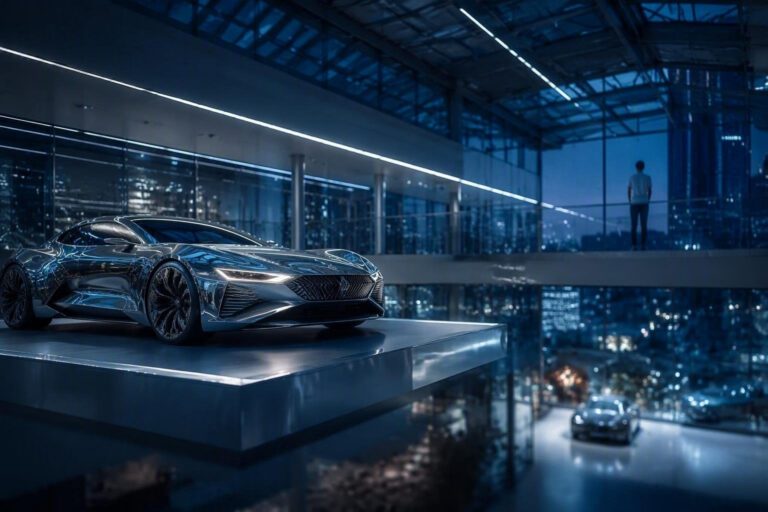
Concept cars are prototypes that showcase a manufacturer’s vision for the future of automotive design, technology, and innovation. These vehicles are often unveiled at major auto shows and provide a glimpse into the potential design language and features of future production models.
While concept cars may never reach production, they serve as a testing ground for new ideas and technologies that can eventually make their way into production vehicles.
The primary purpose of a concept car is to demonstrate a manufacturer’s capabilities and showcase their vision for the future.
Concept cars can take many forms, from show cars that are designed to generate buzz and excitement, to mules that are used to test and refine new technologies. A feasibility study is another type of concept car that is used to determine the practicality of a particular design or technology.
Design Language
Concept cars play a significant role in shaping the design language of future production models. They provide a platform for designers to experiment with new ideas and push the boundaries of what is possible. The design language of a concept car can influence the look and feel of future production models, and can even shape the brand identity of a manufacturer. For example, the BMW concept car, Gina introduced a new design language that emphasized lightweight materials and flexibility.
Safety Features
Concept cars are also used to test and refine new safety features and technologies. These vehicles can be equipped with advanced safety features such as autonomous driving systems, lane departure warning systems, and blind spot detection systems. The data collected from these tests can be used to improve the safety of future production models. For instance, the Volvo concept car, XC90 featured a number of safety innovations including a run-off road protection system and a 360-degree camera system.
User Experience
Concept cars can also be used to test and refine new user experience features and technologies. These vehicles can be equipped with advanced infotainment systemsvoice recognition systems, and gesture control systems. The feedback collected from these tests can be used to improve the user experience of future production models. For example, the Mercedes-Benz concept car, F 015 featured a luxury interior with a high-resolution display and a touch-sensitive steering wheel.
While they may never reach production, they provide a platform for manufacturers to test and refine new ideas and technologies that can eventually make their way into production vehicles.