A clear look at the Ninja CRISPi portable discount and the CRISPi PRO features: capacity, power and the practicality of glass cooking containers
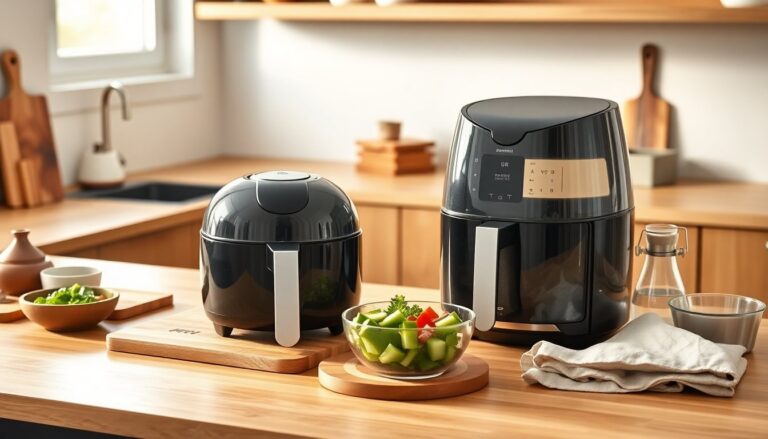
The world of countertop cookers has a conspicuous new twist: the Ninja CRISPi family replaces opaque baskets with see-through glass bowls, turning a utilitarian appliance into something you can use for preparation, cooking and storage. If you caught the recent Amazon offer on the compact unit or are weighing up the higher-end CRISPi PRO, this piece compares the two approaches and explains the practical consequences of cooking in glass.
The portable model has been reduced to £104 from an RRP of £149.99, while the CRISPi PRO positions itself as a premium option with a different set of capacities and features.
The glass-first concept is not just cosmetic.
Both models use thermal shock-resistant glass containers that are PFAS-free and dishwasher safe, letting you move from oven-equivalent heat to table presentation and fridge storage without swapping dishes. In this article you will find the key specs for each model, the advantages and limitations of glass, and guidance on which version suits specific households and lifestyles.
Design, size and build
The CRISPi PRO adopts a distinctive silhouette: the heating module sits above while the glass container slides below, creating a compact footprint that looks at home on a countertop. Official dimensions for the PRO are 29.97 x 30.99 x 27.94 cm with a listed weight of 5.17 kg, making it stable yet not impossibly heavy to move. Color options include a bolder Cyber Space Blue and more muted tones such as Sage and Stone. The portable CRISPi model is intentionally smaller and more transportable, designed for tight kitchens, caravans and student flats where space is at a premium. Both units include removable crisper plates that are non-stick and can be cleaned in the dishwasher.
Glass containers and the kitchen workflow
What changes when you can see your food while it cooks? With the CRISPi lineup the answer is practical: the glass bowls change how you monitor and finish dishes. The PRO ships with two CleanCrisp glass containers — 5.7 L and 2.3 L — intended respectively for family meals and smaller sides. The portable unit offers smaller bowls, described as 3.8 L and 1.4 L in the compact kit, which better suit singles or couples. Because the bowls are thermal shock-resistant you can transfer them from the cooker to the table and then add a lid for fridge storage, reducing dish changes and saving time on cleanup.
Benefits and practical caveats
Visible cooking reduces the need to open the appliance and lose heat, and it improves timing for browning and crisping. The bowls are PFAS-free, which many buyers will welcome. On the downside, glass is heavier than metal baskets and becomes hot to handle, so you must use caution when inserting or removing containers. The bowls clip into the unit, so while the fit is secure it requires a deliberate grip to extract them. Overall the trade-off is fewer transfers, cleaner plating and direct storage from pot to fridge.
Performance, power and cooking modes
Performance differs between models. The CRISPi PRO is rated at 2,050 W, which contributes to rapid heat-up and robust convection results; Ninja also offers seven preset modes on the PRO, including Max Crisp, Air Fry, Bake, Prove, Roast, Dehydrate and Re-crisp. The portable variant focuses on simplicity with four functions commonly described as Air Fry, Roast, Re-crisp and Keep Warm. The PRO’s Max Crisp mode can reach higher temperatures for intense browning, while both systems benefit from the included crisper plates that improve airflow and texture.
Controls and everyday use
Both units favor physical controls over touch-heavy interfaces, making them straightforward to operate even with wet or flour-dusted hands. Timers and temperatures are adjustable for manual control, and presets offer convenient one-touch cooking. The PRO’s broader program set appeals to users who experiment more with fermentation, dehydration and multi-stage recipes, whereas the portable model provides fast, reliable results for staples and reheats.
Who should choose which model?
Budget-conscious buyers who want portability and a clear-surface cooker will find the Amazon deal on the portable CRISPi compelling: at £104 it represents a sizeable discount from the usual £149.99 and covers the needs of small households. The CRISPi PRO, priced as a premium appliance at €249.99, is better aligned with families or anyone who routinely prepares full meals in one batch — the 5.7 L bowl can accommodate a whole chicken and vegetables. If you prize visible cooking, integrated serving and storage, and higher power for faster results, the PRO justifies its price; if you want compact convenience, the portable model is an attractive option.
In short, the Ninja CRISPi concept reframes the air fryer as a multiuse glass cooker: the portable variant offers accessibility and value, while the CRISPi PRO delivers greater capacity, a wider program set and stronger power for ambitious home cooks. The final choice depends on household size, counter space and whether you value the convenience of cooking in glass above the lighter weight of traditional baskets.