Explore Fitbit Air's features, who it suits and cost-conscious alternatives that still track heart rate, sleep and activity
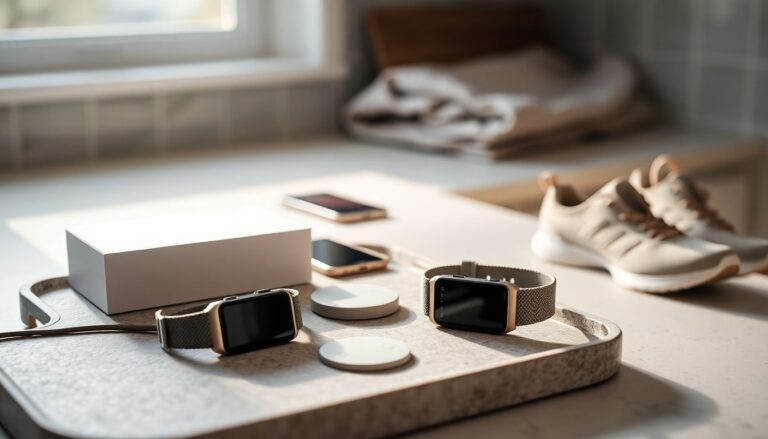
The wearable market has a new entrant designed to be worn without fuss: Fitbit Air. Announced as a compact, screenless tracker, the device is available for preorder in the UK for £84.99. Built to be unobtrusive, it targets people who want continuous health monitoring without the constant buzz of a smartwatch.
Retailers listing the tracker include major chains and online stores, and the package typically includes a textile Performance Loop band in a choice of colors.
At a glance the Fitbit Air emphasizes comfort and uninterrupted monitoring. The tracker is touted as the lightest Fitbit — weighing just 5.2g by itself and about 12g with a band — and measures under 9mm thick.
It uses high-fidelity sensors to collect 24/7 heart rate, SpO2 estimates, sleep stages and movement data. Google highlights features such as heart rhythm monitoring with AFib alerts, seven-day battery life, water resistance to 50 metres and fast charging that restores a day’s power in minutes.
What Fitbit Air delivers for everyday wellness
Rather than providing a display for notifications, the Fitbit Air focuses on passive data collection and deeper insights within the companion app. Data syncs to the Google Health app, where an optional subscription unlocks an AI coach that can generate personalised plans, guided workouts and sleep advice. The tracker automatically detects many common activities and logs them, while haptic alerts and a Smart Wake feature aim to improve sleep routines by waking users during light sleep windows.
Design, battery and interchangeable bands
Fitbit’s approach with Air is deliberately modular: the core pebble is small and screenless, while a selection of bands — including a sporty Active Band and a bracelet-like Elevated Modern Band — can change the look and function. Google describes the standard loop as partly made from recycled materials and micro-adjustable for comfort. The tracker communicates over Bluetooth 5.0, and its seven-day battery life plus fast-charge capability are positioned to support continuous wear from workouts through sleep without frequent charging interruptions.
Who should consider a screenless tracker
A screenless device like the Fitbit Air will appeal to people who prioritise unobtrusive monitoring and mental space over always-on notifications. If you want concise health signals without being interrupted by calls, messages or app pings, a pebble-style tracker provides that minimal presence. It is also an attractive option for anyone who wants a lightweight sleep partner that won’t feel bulky overnight, helping preserve sleep-tracking consistency and improving long-term trend data.
Athletes and sleep-focused users
For endurance athletes or people who closely monitor recovery, the Fitbit Air offers continuous heart rate and heart rate variability metrics, plus automated activity detection. The inclusion of AFib alerts and SpO2 monitoring provides additional physiological context that some performance-minded users and those tracking sleep breathing may find useful. A subtle haptic motor and the Smart Wake feature also help with gentle, timely morning alarms that aim to reduce grogginess.
People who want simplicity and privacy
If your priority is discretion, the screenless form factor keeps your wrist quiet and your focus uninterrupted; detailed charts and summaries remain accessible when you open the app. The design allows pairing with a separate smartwatch during daytime for notifications and switching back to the Air at night for restful monitoring — a workflow that suits those who want the best of both worlds without wearing two full-featured watches simultaneously.
Budget alternatives and other wellness gadgets to know
There are cheaper trackers that cover core needs if you prefer to start small. Options include the Spurkey tracker (£24.65, reduced from £28.99) that monitors heart rate, SpO2, blood pressure estimates and sleep, while being waterproof for everyday wear. The IOWODO smartwatch (£18.99, reduced from £29.99) adds a 1.47-inch screen, multiple sports modes and fast charging at a very low price. The Runlio (£16.99, reduced from £19.99) focuses on step counts, calories and basic sleep tracking. Beyond wearables, home devices such as the Keskine IPL handset (~£199, was £299) claim rapid hair reduction with cooling tech, and at-home dental options like MySweetSmile offer whitening solutions that can cost under £2 per use for surface and deeper stains. Together these choices show modern wellness tech spans discreet, expensive and budget-friendly approaches, so shoppers can match features to their priorities.