A look at the digital platforms, AI tools and physical innovations easing logistics for nearly two million pilgrims during Hajj
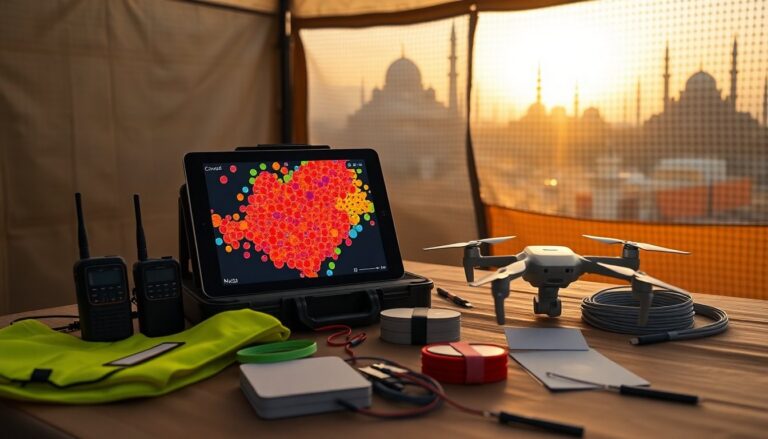
Each year the annual Hajj pilgrimage gathers vast numbers of people in and around Mecca, creating a logistical challenge of extraordinary scale. On 25 May 2026, Al Jazeera reported on how Saudi authorities and technology partners are combining digital platforms and on-site engineering to coordinate movements and services for close to two million worshippers.
The aim is not to replace human effort but to multiply its effectiveness: real-time data, automated alerts and purpose-built apps help officials anticipate crowd flows and help pilgrims access information quickly.
The recent deployments mix traditional public-safety practice with modern systems.
Pilgrims interact with mobile services, while control rooms synthesize inputs from cameras, sensors and predictive models. Alongside these digital layers, practical infrastructure upgrades such as treated walking surfaces and upgraded signage reduce environmental risks and physical strain, creating safer conditions around focal sites like the Masjid al-Haram and the Kaaba.
This hybrid approach reflects an emphasis on resilience and responsiveness for one of the planet’s busiest gatherings.
How technology underpins modern Hajj
At the core of the modernization effort are several interlocking technologies that move information quickly and accurately. The Nusuk app, for instance, provides pilgrims with schedules, maps and real-time instructions, acting as a personal digital guide. Command centers aggregate feeds from an array of sensors and closed-circuit cameras, feeding algorithms that support crowd-flow analysis. Officials use those outputs to issue targeted instructions to teams on the ground and to broadcast advisories to users of the app. The result is a tighter feedback loop between observation and intervention, reducing the time between detection of a bottleneck and a corrective response.
Core systems deployed
AI and crowd management
Machine learning models and artificial intelligence are applied to interpret video streams and sensor arrays, identifying density hotspots and movement trends before they escalate. These systems flag areas where human intervention is needed and can suggest routing adjustments to control centers. The technology is framed as an assistive layer: algorithms do not make enforcement decisions independently but present actionable insights to operators. Hundreds of thousands of security personnel and volunteers still execute physical crowd control and assistance, guided by digital alerts that improve situational awareness and response times.
Thermal and infrastructure innovations
Environmental measures complement the digital tools. Authorities installed special surface treatments across approximately 70,000 square metres of pedestrian routes and congregation zones to lower surface temperatures by as much as 15 degrees Celsius. These coatings reduce heat stress for pilgrims and help limit heat-related incidents during peak daytime periods. In addition, enhanced shading structures, expanded water stations and improved wayfinding signage work in tandem with apps and alerts to reduce both physical strain and navigational confusion among attendees.
On-the-ground implementation
Deploying these technologies at scale requires coordination. Field teams calibrate sensors, update digital maps and staff control rooms that translate algorithmic outputs into field directives. Regular communication between command centers and volunteer networks ensures that automated recommendations are context-aware and culturally appropriate. Training sessions for personnel emphasize how to interpret real-time dashboards and how to use the Nusuk app to deliver localized guidance to specific groups of pilgrims.
Balancing machines and manpower
Technology reduces friction but does not remove the need for human judgment. Volunteers, healthcare workers and security forces continue to play indispensable roles in crowd safety, medical assistance and logistical coordination. The systems in use are intended to amplify human capacity—streamlining routine tasks, highlighting risks, and freeing people to focus on complex decisions that require empathy and cultural understanding. Reports from Al Jazeera’s Ahmed Idris note that the partnership between automated tools and workforce deployment is what enables authorities to manage masses with greater precision.
Looking forward, the Hajj experience will likely evolve further as sensors, connectivity and user-centric services improve. For pilgrims, the immediate benefits are practical: clearer guidance, cooler walking surfaces and faster emergency response. For planners, the payoff lies in data-driven decisions that refine operations in real time. Together, AI, mobile platforms like Nusuk and on-site engineering form a multilayered strategy designed to preserve both the spiritual focus of the pilgrimage and the physical safety of nearly two million attendees.