Learn about the journey of concept cars from design to production, including the challenges and considerations involved
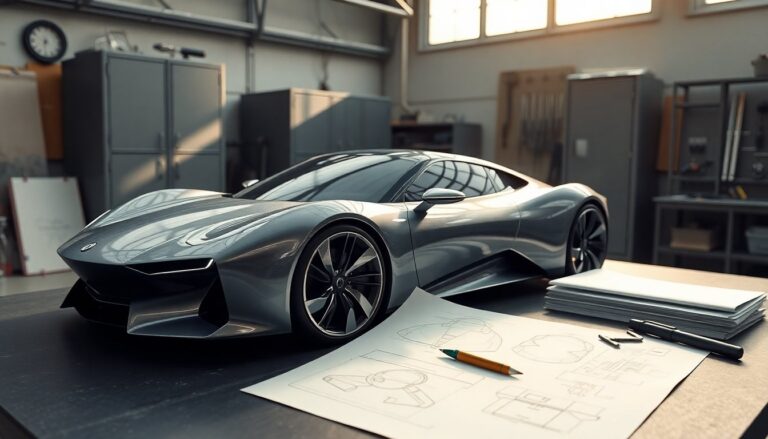
The process of transforming a concept car into a production vehicle is a complex and multifaceted one. It involves a range of stages, from feasibility studies to platform choices and safety rules. At the outset, concept cars are designed to showcase innovative ideas and push the boundaries of what is possible in the automotive industry.
They are often unveiled at major motor shows where they generate significant interest and excitement among car enthusiasts and industry professionals alike.
However, not all concept cars make it to production. In fact, many are simply design exercises intended to test new ideas and gauge public reaction.
Those that do make it to production must undergo a range of engineering and testing processes to ensure they meet the required safety and performance standards. This can involve significant modifications to the original design, as well as the incorporation of new technologies and features.
The role of feasibility studies
Feasibility studies play a critical role in determining whether a concept car can be produced. These studies involve assessing the viability of the design, including its technical and financial feasibility. They take into account factors such as production costs, market demand, and regulatory requirements. By conducting thorough feasibility studies, manufacturers can identify potential issues and make informed decisions about whether to proceed with production.
Platform choices and supplier negotiations
Once a concept car has been deemed feasible, the next step is to select a suitable platform. This involves choosing a underlying architecture that can support the vehicle’s design and features. Supplier negotiations also play a critical role, as manufacturers must secure agreements with suppliers to provide the necessary components and materials. This can be a complex and time-consuming process, involving significant negotiation and planning.
Safety rules and regulations
Safety rules and regulations are a critical consideration in the production of any vehicle. Manufacturers must ensure that their vehicles meet or exceed all relevant safety standards including those related to crash testing, emissions, and other factors. This can involve significant investment in testing and validation as well as the incorporation of advanced safety features and technologies.
Iconic examples
There are many iconic examples of concept cars that have made it to production, including the BMW M1 and the Audi Quattro. These vehicles demonstrate the potential for innovative design and engineering to come together in the creation of truly exceptional cars. By understanding the process of transforming concept cars into production vehicles, we can gain a deeper appreciation for the challenges and opportunities involved in this complex and fascinating field.
For those interested in the design and production of cars, there are several key terms to understand. These include platformfeasibility study and safety rule. A glossary of design terms might also include words like aerodynamicschassis and engine. By familiarizing ourselves with these terms, we can better appreciate the complexity and nuance of the automotive design process.