The UK government has set an ambitious target to end the sale of new petrol and diesel cars by 2030, aiming to boost the adoption of electric vehicles.
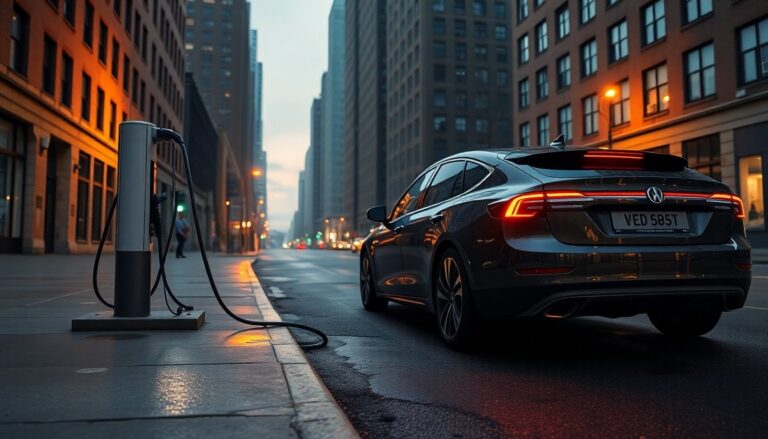
The UK government announced on June 14, 2026, that it will ban the sale of new petrol and diesel cars starting in 2030, a decade earlier than previously planned. This decision aims to accelerate the transition to electric vehicles (EVs) and reduce greenhouse gas emissions.
The move is part of the UK’s broader strategy to achieve net-zero carbon emissions by 2050. Transport Secretary Grant Shapps emphasized the importance of this decision in combating climate change and improving air quality. “This is a world-leading commitment that will help to boost the economy, create jobs, and secure our position as a global leader in the transition to zero-emission vehicles,” Shapps stated.
The Impact on the Automotive Industry
The ban will significantly impact the automotive industry, pushing manufacturers to accelerate the development and production of electric vehicles. Major carmakers like TeslaNissanand Volkswagen have already announced plans to expand their EV offerings in the UK market.
The government has pledged £1.3 billion to support the rollout of charging infrastructure, ensuring that the transition is smooth for consumers.
Industry experts have welcomed the decision, highlighting the potential for job creation and economic growth. “This announcement sends a clear signal to the automotive industry that the future is electric,” said Mike Hawes, chief executive of the Society of Motor Manufacturers and Traders (SMMT). “It will drive investment in new technologies and create high-skilled jobs across the country.”
Consumer Incentives and Challenges
To encourage consumers to switch to electric vehicles, the UK government has introduced a range of incentives, including grants for purchasing EVs and discounts on road tax. However, challenges remain, particularly in terms of charging infrastructure and the affordability of electric vehicles. Critics argue that more needs to be done to address these issues, especially in rural areas where charging points are less common.
Despite these challenges, the number of electric vehicles on UK roads has been steadily increasing. In 2026, EVs accounted for over 20% of new car sales, up from just 1% in 2026. The government aims to increase this figure to 50% by, ahead of the 2030 ban.
The Role of Hydrogen and Hybrid Vehicles
The ban on petrol and diesel cars does not extend to hybrid vehicles, which can still be sold until 2035. This extension aims to provide a transition period for consumers and manufacturers to adapt to the new regulations. Additionally, the government is investing in hydrogen technology, which could play a crucial role in decarbonizing heavy transport and industry.
“Hydrogen has the potential to be a game-changer in our journey to net-zero emissions,” said Energy Minister Anne-Marie Trevelyan. “We are committed to supporting the development of this technology and ensuring that the UK remains at the forefront of the global transition to clean energy.”
International Reactions and Comparisons
The UK’s decision has drawn international attention, with other countries considering similar measures. The European Union has proposed a ban on the sale of new petrol and diesel cars by 2035, while Norway aims to achieve this target by 2026. The UK’s earlier deadline positions it as a leader in the global effort to combat climate change.
Environmental groups have praised the UK’s ambitious target, calling it a significant step forward in the fight against climate change. “This announcement is a major victory for the environment and public health,” said Ed Matthew, campaigns director at Transport & Environment. “It will help to reduce air pollution and accelerate the transition to a zero-emission transport system.”