Electric suv reality check shows the gap between advertised range, purchase price, and everyday charging habits, and gives practical steps to navigate the transition.
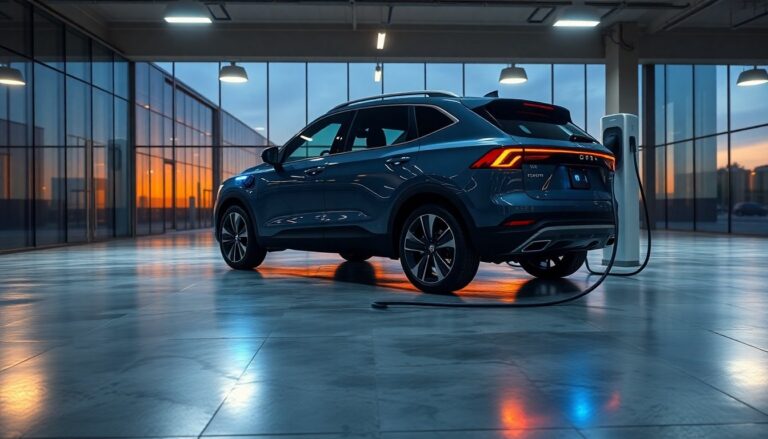
The promise of an electric suv—tonne of cargo, quiet ride, no tailpipe—spins a tempting narrative. In the real world, however, the numbers beneath the glossy brochure can shift with a single strange recharge or a trip over a distance that cracks the battery shorthand.
This guide breaks down the actual range, the true cost of ownership, and the parking-effect questions riders ask daily.
Real-world range: from sticker to street
Electric SUVs boast a range that can hover between 200 km and 480 km on a single charge according to manufacturer spec sheets.
Yet those figures are recorded under ideal test conditions—controlled temperature, steady speed, and no extra payload. In daily life, charging kWh per kilometer swells when you climb hills, add a roof rack, or blaze the highway in a temperature-freezing dash.
On a typical family weekend, an SUV that claims 400 km might only deliver 320–350 km. That is because real-world consumption rises as the car hunts for air-conditioning cycles or accelerates out of city traffic. To gauge true mileage, drivers should monitor their own energy log from the on-board computer and adjust based on observed drop-outs. Start by noting the estimated range at the point of full charge, then update as you drive—this will surface a more honest baseline.
Cold weather is particularly unforgiving. Below 0 °C, loss can gulp 20–30 % of projected range. Proper tire pressure keeps rolling resistance low, while pre-conditioning the cabin while the vehicle stays plugged cuts the demand on battery reserve. The net result is that most reputable EV owners claim a reliable buffer of 50–70 km when they perform these little tweaks. Spin up the navigation and let it display the traffic-adjusted range for the wait.
In contrast, charging efficiency outside of the park may cut gains further. Supercharging stations are engineered to dump energy fast, but the thermal distortions that come with heat generation surface a 4–10 % loss. A hybrid route might instead be to shift weight from fast to home or workplace network chargers that operate at a steadier pace. Drivers already on the road have discovered that daily planning—stopping at fewer but longer chargers—reduces the cumulative loss.
Costs and charging 101: what you pay beyond the price tag
When it comes to coming out of the showroom, the sticker price is only the tip of the iceberg. The first thing to consider is the markup for the battery and the charged infrastructure. Battery-first vehicles lag behind their internal-combustion counterparts because chemistry has yet to reach drop-in cost parity. Even less expensive models now carry a 15–20 % above-average cost for a battery pack that totals 70–100 kWh.
The second hit is the charging cost. Home charging plugs usually run between €0.15 and €0.25 per kWh, depending on local tariffs, while public charging hops could climb to €0.40 or more, especially at fast-chargers. A 50 kWh battery dipped fully once a week can juggle €5 to €10 a month merely in electricity. Add to that the potential minor but inevitable loss in battery capacity over years, and the whole equation nudges the break-even point by a few hundred euros.
Beyond the electric bill, consider the replacement of an oil filter, spark plugs, and coolant. Those extraneous points vanish. But the lingering need for winter tyres at times, occasional maintenance on an electric drivetrain, and the occasional tire-change cycle remain unavoidable. Weighing these against the long-term savings, most users find a course between 3 to 5 years before the numbers align with their comfort zone.
Charging behaviour has become a cost lever in itself. Fast chargers tend to droop the battery more fast, accelerating wear. Establishing a semi-daily plan—charging between 50 % and 80 % at home, and topping up 10–15 % on long trips from a fast-charger—keeps the cell health, reduces discrete battery degradation, and saves money on both energy and potential service edition. Stay ahead of the driver’s door by reading the battery manual, noting the official recommended charging window, and listening to the car’s own warnings about over-charging heat.
Drivers eyeing a brand shift typically notice a threshold: the smaller SUVs from the newest line-ups cost more honestly at the moment. Yet we find that particular models that use a 50-kWh iron-specific battery promise returns on investment after about 3 years of balanced use, with reliable timekeeping for road boundaries. That small estimate informs many family decisions and may very well offset the perception that an electric SUV is a scam—there is a concrete arithmetic that some have neglected to examine.
Finally, look beyond the metal shell. The resale market for electric SUVs remains nascent. The afterpurchasing journey is subject to policy incentives that change quarterly. Active participation in communities and forums ensures that you keep abreast of the newest battery guarantees and energy-management hacks.
Live now
 Ghana
Ghana Panama
Upcoming matches
 Uzbekistan
 Colombia
 Czechia
 South Africa
 Switzerland
 Bosnia-H.
 Canada
 Qatar
QatarResults
 England
 Croatia
 Portugal
 Congo DR
 Austria
 Jordan
 Argentina
 Algeria